
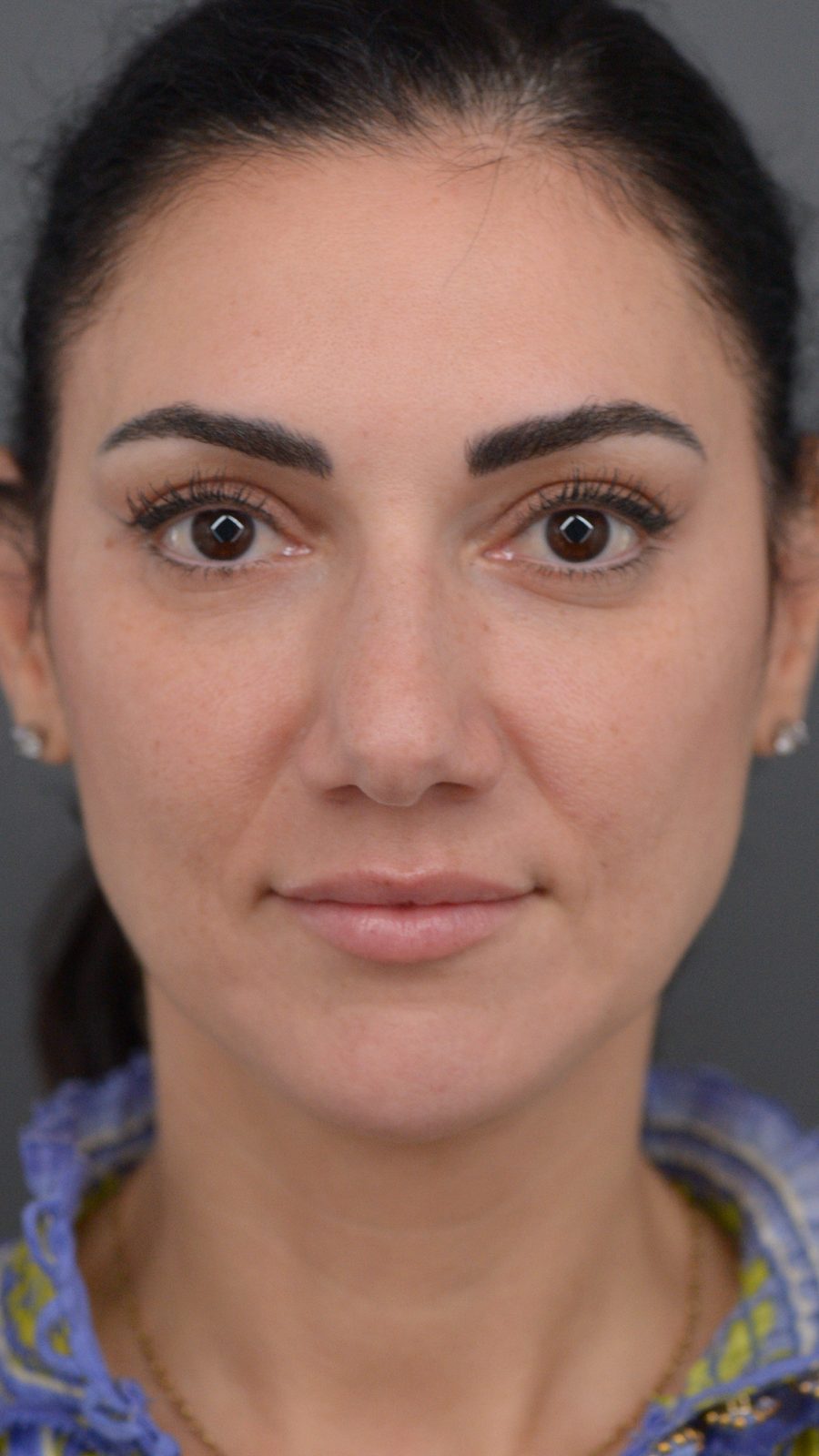
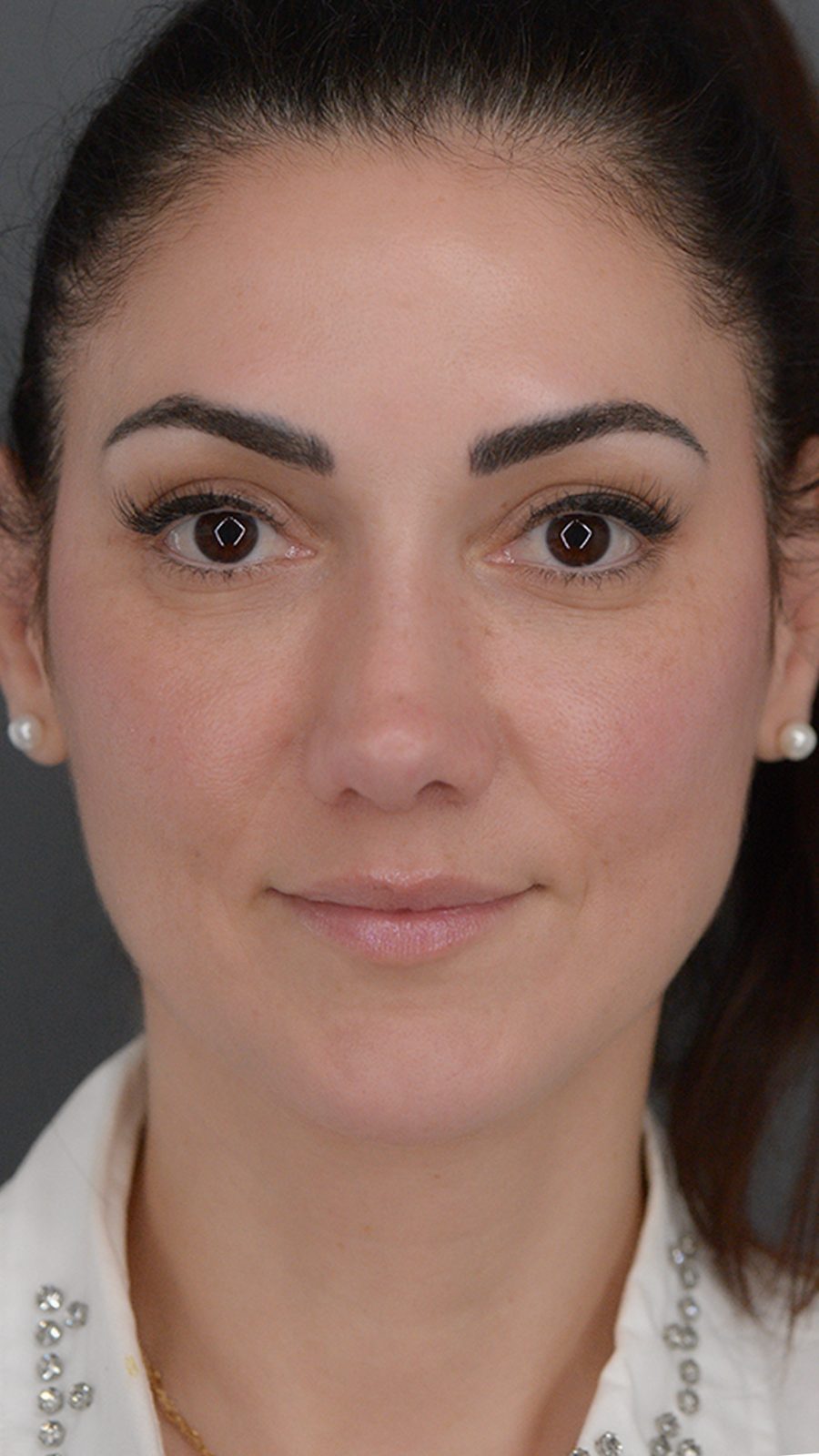
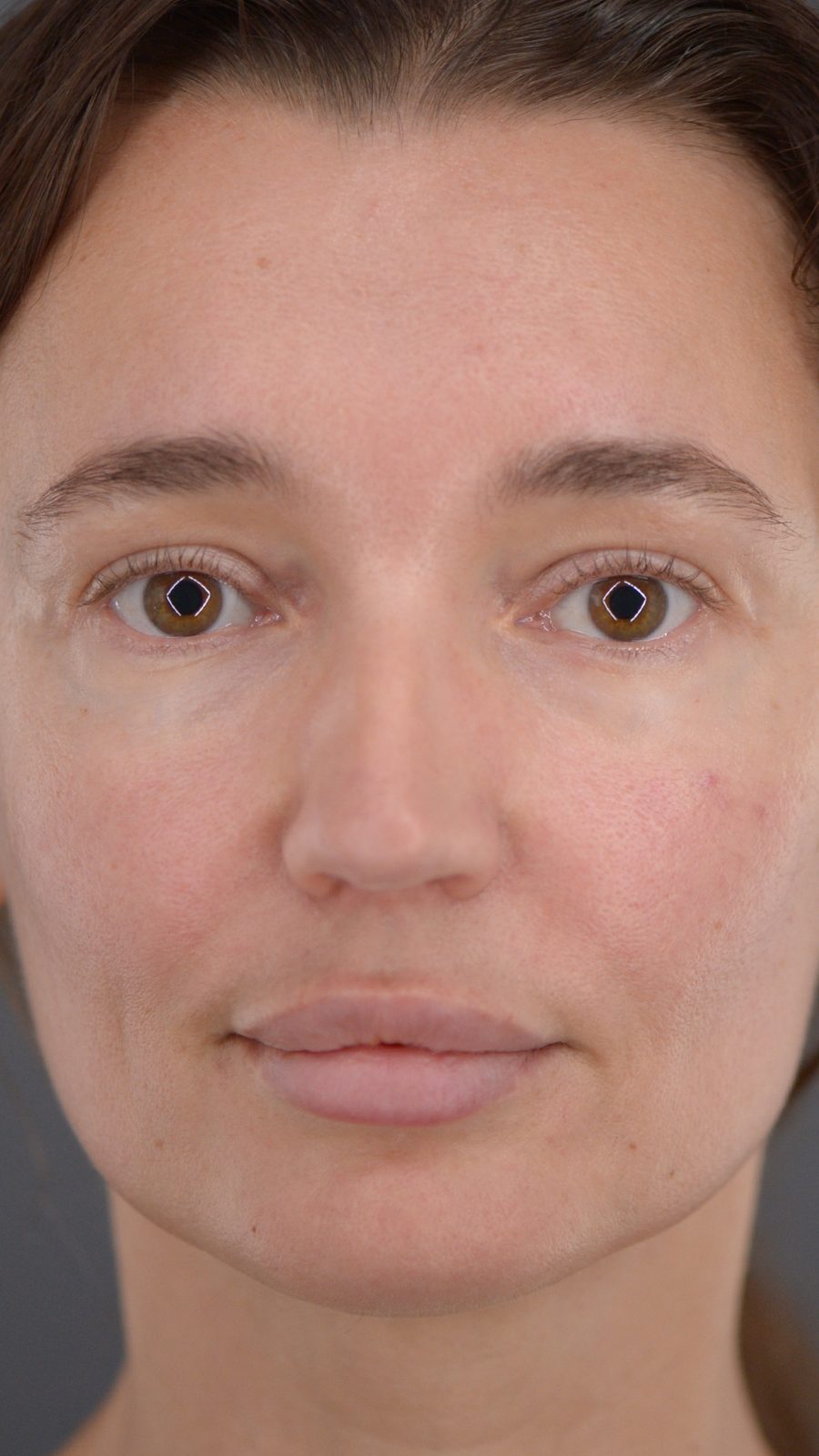
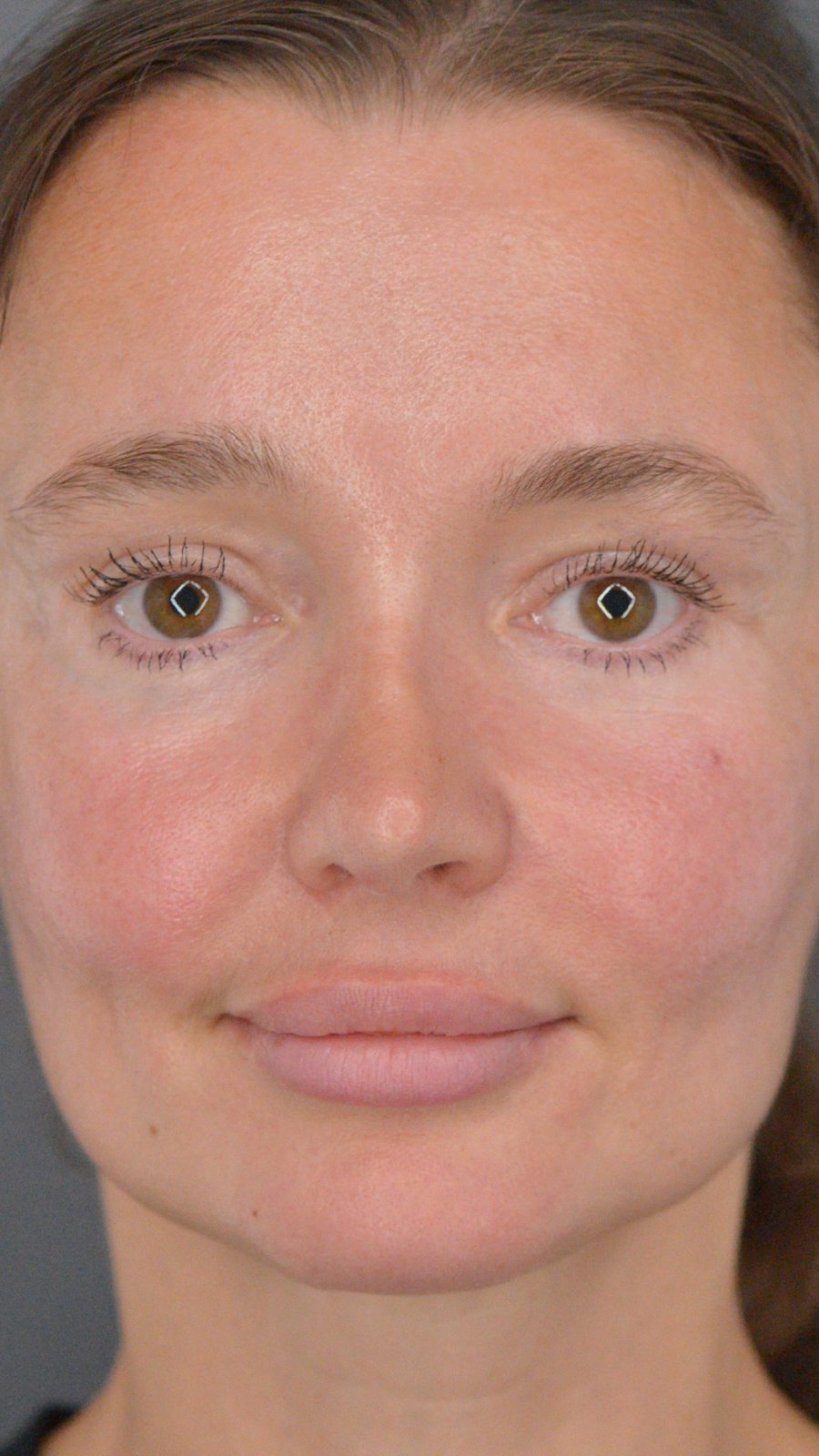
Chia Chi Kao, MD

Procedures · Rhinoplasty

A nose that belongs to the face

The nose sits at the center of the face. Dr. Kao plans rhinoplasty around proportion, structure and breathing, and around the features a patient wants to keep. The aim is a nose that fits the face and holds its shape as the years pass.

How Dr. Kao approaches it

The whole face, first
Before planning surgery, Dr. Kao examines the bridge, tip, nostrils, projection, symmetry, skin and internal airway. He then studies how the nose relates to the eyes, cheeks, lips, chin and profile. A change to one part of the nose alters how the rest of the face reads.
Structure before shape
Dr. Kao treats tip refinement as a question of support before it is a question of shape. Cartilage is removed, added or reshaped as the case requires. Support is reinforced, often with the patient's own cartilage, so the result stays stable over time.
Restraint
Overcorrection is the outcome Dr. Kao works hardest to avoid. Part of every consultation is deciding what should not change. Ethnic identity, family features and masculine or feminine character are preserved.
Incisions hidden where possible
Where the anatomy allows, Dr. Kao prefers the closed approach, with every incision inside the nose. The open approach adds a small incision at the base of the nose. He reserves it for cases that need it, such as extensive tip reconstruction. The choice follows what the nose needs.

Rhinoplasty

Surgical refinement of the nose's size, bridge, tip and nostrils, with breathing assessed and treated in the same plan.

Rhinoplasty is an outpatient procedure. The skin of the nose is lifted from its supporting framework. Dr. Kao then removes, adds or reshapes cartilage as the correction requires, and redrapes the skin over the new structure.

His attention extends beyond the bridge and length. He considers the shape of the nostrils and how they relate to the tip, and corrects notched or flared nostrils where needed. Breathing is evaluated at the same time. When a deviated septum restricts airflow, a septoplasty can be performed in the same operation.

Swelling resolves slowly, especially at the tip. The practice states that minor swelling can last up to a year. Results vary from patient to patient.

Often suited to

  • A nose out of proportion with the rest of the face
  • A wide bridge, dorsal hump or bulbous tip
  • Notched, flared or asymmetric nostrils
  • Breathing difficulty from a deviated septum

Technique

  • Performed as an outpatient procedure
  • Closed approach preferred where possible, with all incisions inside the nose; open approach used when extensive tip work is needed
  • Cartilage grafts taken from the septum, or from the ear when septal cartilage is insufficient
  • Septoplasty combined when a deviated septum affects breathing
  • Nasal packing and splints placed to support the new structure

Recovery Expect bruising, swelling and some congestion. Rest with the head elevated for several days. Packing is removed after four to seven days and splints after about seven. Dr. Kao may tape the nose for a week or two after that, depending on tip swelling. Most patients return to work within two weeks and resume exercise after three to four weeks, once cleared. Avoid direct sun on the nose for several months. If the nasal bones were moved, glasses may need special support for several weeks. Patients may recover at KO'AN Recovery Center, across the street from the surgical facility.

Ethnic Rhinoplasty

Rhinoplasty for Asian and African American patients, planned to refine the nose while keeping the patient's heritage visible.

Ethnic rhinoplasty often asks for something different from a reduction. Asian patients may want more bridge definition, stronger tip support or refined nostrils. African American patients often have thicker skin, softer cartilage, a lower bridge and wider nostrils. In both cases, removing tissue alone rarely gives a refined result.

Dr. Kao builds a stable framework first, so the skin can settle over it. Bridge height is set by the forehead, cheekbones, lips and chin. Nostrils are judged against facial width and expression before any narrowing is considered.

The goal is a nose that looks like it has always belonged to the patient. Small changes carry large effects here, so the plan is conservative.

Often suited to

  • Patients who want more bridge or tip definition
  • Thicker skin or softer cartilage that needs structural support
  • Wide nostrils or alar base, where refinement suits the face
  • Patients who want refinement without losing ethnic identity

Technique

  • Bridge augmentation planned against the whole facial profile
  • Tip support strengthened before tip shape is refined
  • Cartilage grafts from the septum, ear or rib, depending on the support required
  • Alar base refinement weighed against nostril width, expression, scar placement and airway
  • Open or closed approach chosen after evaluating bridge, tip, nostrils, skin, cartilage and breathing

Revision Rhinoplasty

Corrective surgery after a previous rhinoplasty, aimed at restoring support, harmony and breathing.

Revision begins with understanding what was done before and what the patient now wants to change. Earlier reduction-focused surgery can leave a tip that droops, nostrils that weaken or a bridge that looks pinched. Breathing can suffer too.

In many revisions the goal is to restore balance. That may mean softening an overbuilt bridge, rebuilding tip support, correcting asymmetry or replacing an unnatural structure with a better-proportioned one. The emphasis is on rebuilding structure.

Scar tissue from prior surgery can lengthen healing. Revision results take longer to settle and vary between patients.

Often suited to

  • A previous rhinoplasty that looks overdone or pinched
  • Tip drooping or nasal collapse over time
  • Breathing problems after earlier nasal surgery
  • An implant-built bridge that no longer suits the face

Technique

  • Assessment of the previous surgery and current anatomy
  • Rebuilding of structural support, often with cartilage grafts
  • Correction of asymmetry and restoration of proportion

Chin Augmentation

Added chin projection with filler, fat transfer or an implant, often planned alongside rhinoplasty for profile balance.

The chin and nose define the profile together. A recessed chin can make the nose look larger than it is. The nose itself is unchanged. A stronger chin can make it look more in proportion.

Dr. Kao offers three techniques. Injectable filler gives a temporary result in the office and lets a patient preview a new profile. Fat transfer uses the patient's own fat, harvested by liposuction, for a longer-lasting change. A silicone implant gives a permanent structural result.

Chin augmentation is sometimes combined with rhinoplasty. It is also paired with the Ponytail Lift™ and neck procedures. Results vary.

Often suited to

  • A weak, recessed or under-projected chin
  • A nose that looks prominent because of limited chin projection
  • A profile that feels out of balance
  • Patients who want to preview a change before committing to surgery

Technique

  • Injectable filler (hyaluronic acid or calcium hydroxylapatite), placed in the office in under an hour
  • Fat transfer from the abdomen, flanks, hips or thighs, processed and placed in small amounts
  • Custom silicone implant placed through an incision under the chin or inside the mouth
  • Local anesthesia with sedation, or general anesthesia, for surgical options

Recovery Filler: mild swelling or bruising for several days, with normal activity soon after. Fat transfer: swelling at the chin and soreness at the donor site, with strenuous activity limited for about a week or longer. Implant: swelling, bruising and tightness, a short soft-food diet if the incision is inside the mouth, and light activity within about a week.

Questions

Does Dr. Kao use open or closed rhinoplasty?

He prefers the closed approach where possible, with every incision inside the nose and no visible scar. The open approach adds a small incision at the base of the nose and gives more direct access. He uses it when the case requires it, such as extensive tip reconstruction.

Can breathing be corrected at the same time?

Yes. Airflow is assessed at consultation. When a deviated septum restricts breathing, a septoplasty can be performed in the same operation as the cosmetic work.

How long until the result is final?

Most patients return to work within two weeks, and most major swelling settles within a few months. Minor swelling, especially at the tip, can last up to a year. Thicker skin and revision cases take longer. Results vary.

Is there a minimum age?

The nose must be fully developed. According to the practice, that is usually around 16 for girls and 17 for boys. Dr. Kao evaluates each teenage patient at consultation.

Can chin augmentation be combined with rhinoplasty?

Yes. The chin and nose shape the profile together. In properly selected patients, treating both can give a more balanced side view. Dr. Kao assesses the chin, nose, lips and jawline together at consultation.

Further reading from Dr. Kao

Every plan begins with an examination by Dr. Kao.

Request a private consultation

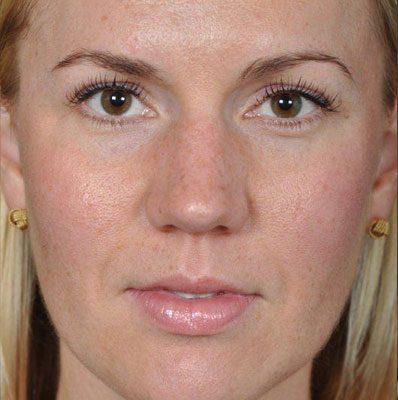
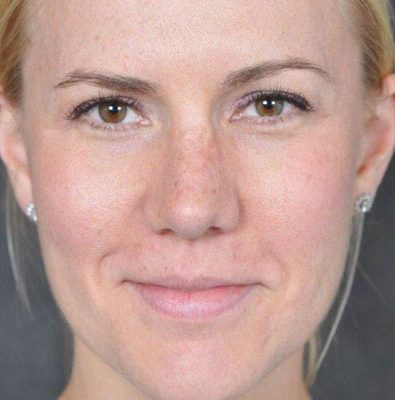
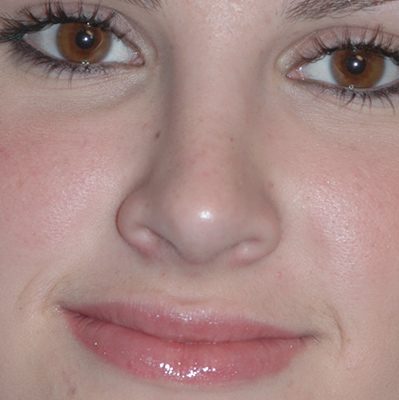
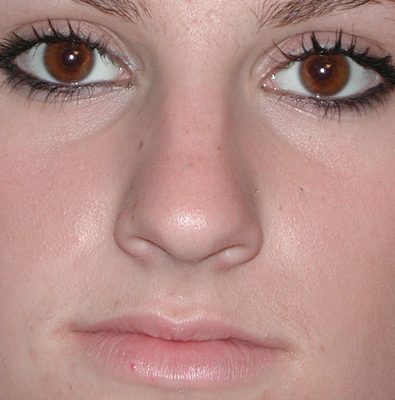
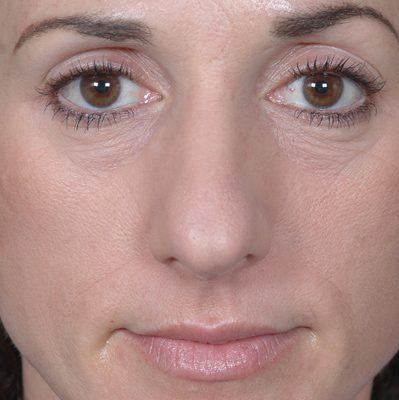
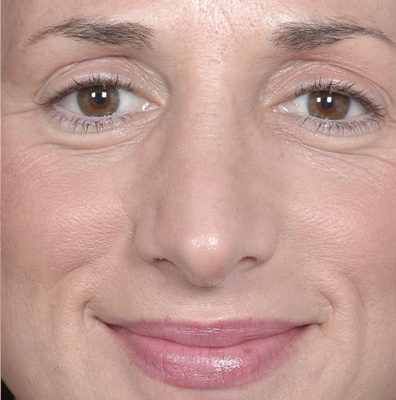
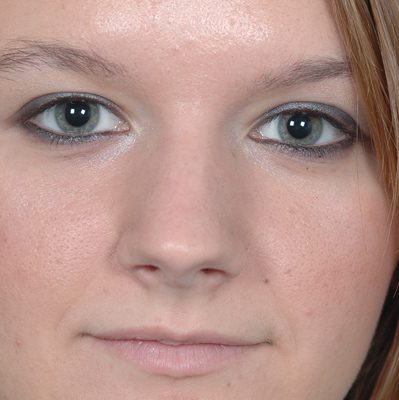
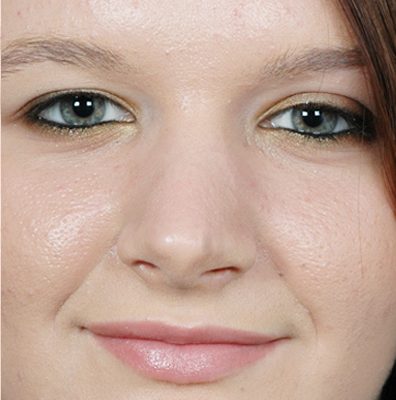
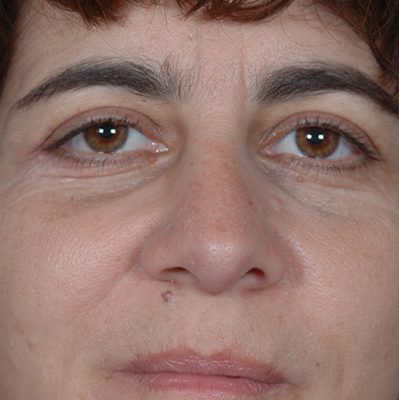
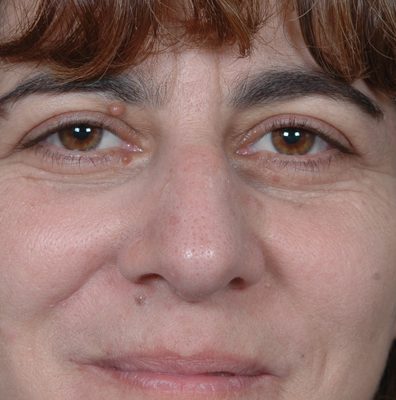
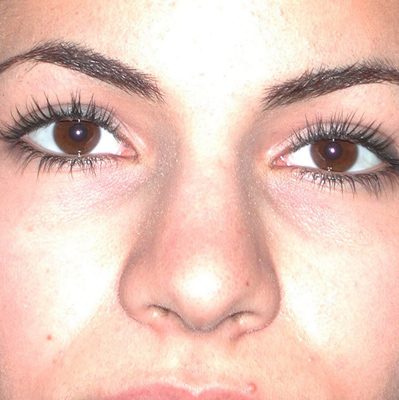
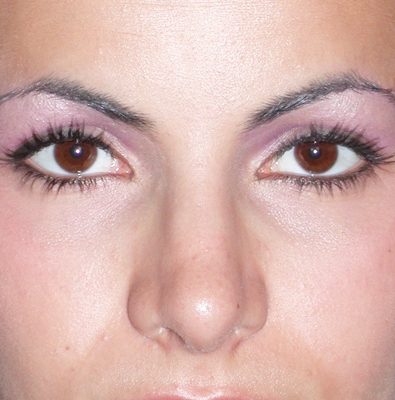
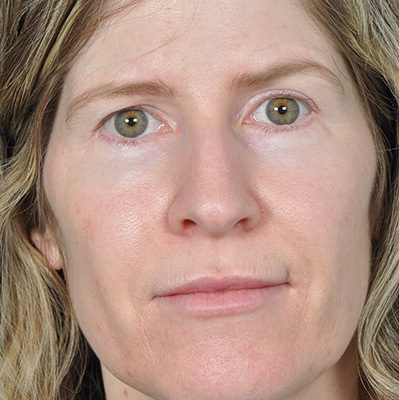
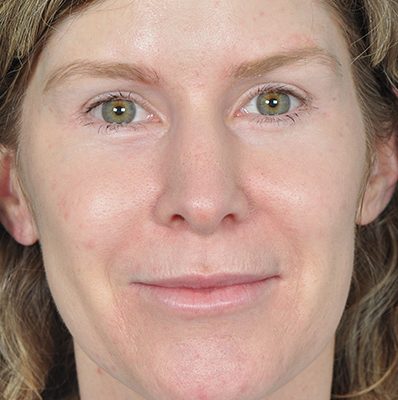
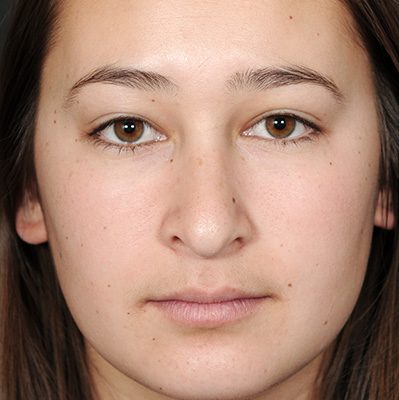
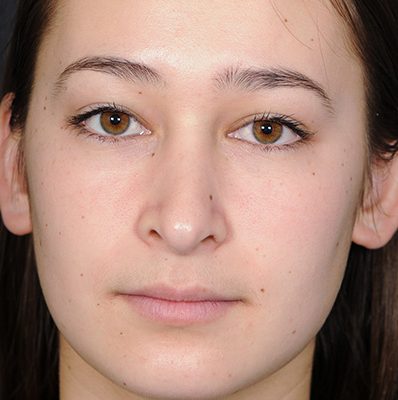
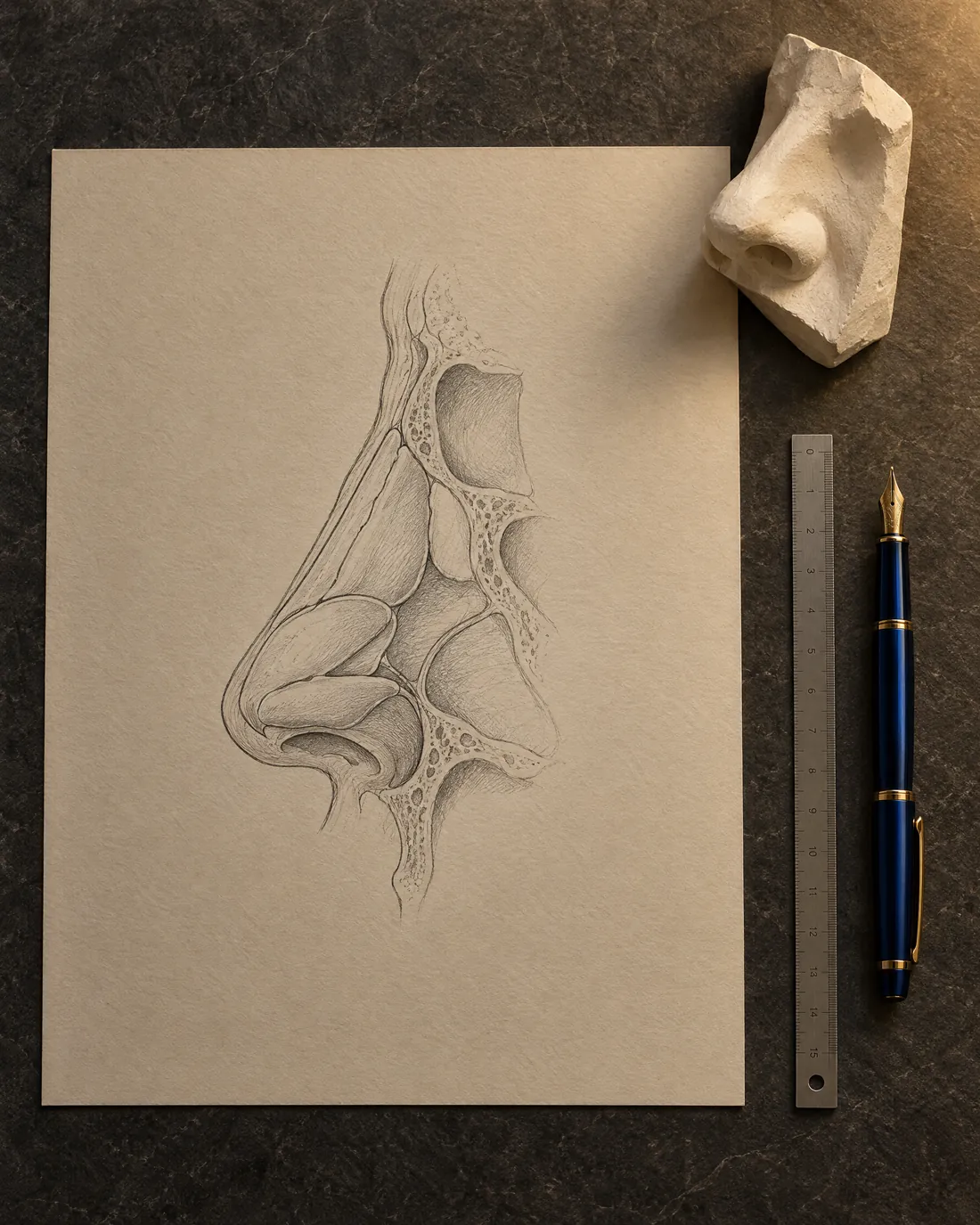
Before-and-after photographs are actual Dr. Kao patients; individual results vary. The other photographs are still lifes.