Plastic Surgery in Los Angeles & Santa Monica Look past
the reflection.
The Ponytail Lift™
Not a thread lift, and not a smaller facelift under a new name. A stepwise system of endoscopic deep-plane facial rejuvenation, developed by Dr. Kao and adapted to the anatomy of each face.

Four principles. One method.
What makes the Ponytail system different from a conventional facelift, one principle at a time.
Principle 1 of 4
Endoscopic
A small camera and fine instruments work through limited access points, so deeper structures can be repositioned without long, visible incisions.
Principle 2 of 4
Deep-plane
The deeper support layers are released and repositioned, rather than relying on tension placed on the skin.
Principle 3 of 4
Vertical vectors
Tissues are restored upward instead of pulled back toward the ears, avoiding the flattened, operated look of lateral tension.
Principle 4 of 4
Discreet incisions
Placed where the anatomy allows: within the scalp for Ponytail Lift I, with small additions behind the ear or beneath the chin as the level rises.
Four levels. One system.
Dr. Kao assigns the level after examining the face. It follows anatomy and the pattern of aging, not age alone, and each level builds on the one before it.
Endoscopic · no skin removed
Ponytail Lift™ I
PTL-I
- Suited to
- Early descent of the brows, temples, eyes or cheeks.
- What is done
- These areas are lifted endoscopically, through incisions hidden within the scalp.
Endoscopic · no skin removed
Ponytail Lift™ II
PTL-II
- Suited to
- Early jowls, with little loose skin on the neck.
- What is done
- Level I, extended to the lower face and jowls, with deeper neck contouring where there is fullness beneath the chin.
Deep-plane · limited skin removal
Ponytail Facelift™ I
PTFL-I
- Suited to
- Jowls, with mild to moderate loose skin on the neck.
- What is done
- The lower face and neck are lifted at the deep plane and a limited amount of skin is removed, without incisions in the temple hairline or directly in front of the ear.
Deep-plane · limited skin removal
Ponytail Facelift™ II
PTFL-II
- Suited to
- Heavier jowls, more loose skin on the neck, reduced elasticity.
- What is done
- Level III, extended to greater laxity of the face and neck, still preserving the temple hairline and sideburn.
Aging happens in three layers. So does the plan.
Treating only the skin can leave deeper descent untouched. Treating only volume can make a fallen face look heavier. The plan follows the anatomy through every layer.
Surface layer
Skin quality and excess
Skin loses collagen, elasticity and evenness. Some faces benefit from resurfacing; meaningful lower-face or neck redundancy may call for skin removal.
Middle layer
Facial volume
Some regions lose volume while others expand. Regenerative fat transfer restores support and shape where indicated, never as indiscriminate filling.
Deep layer
Structural support
As the SMAS and deep-plane tissues descend, cheeks flatten and the jawline softens. These are repositioned, rather than the skin being tightened over them.
600 patients, in print.
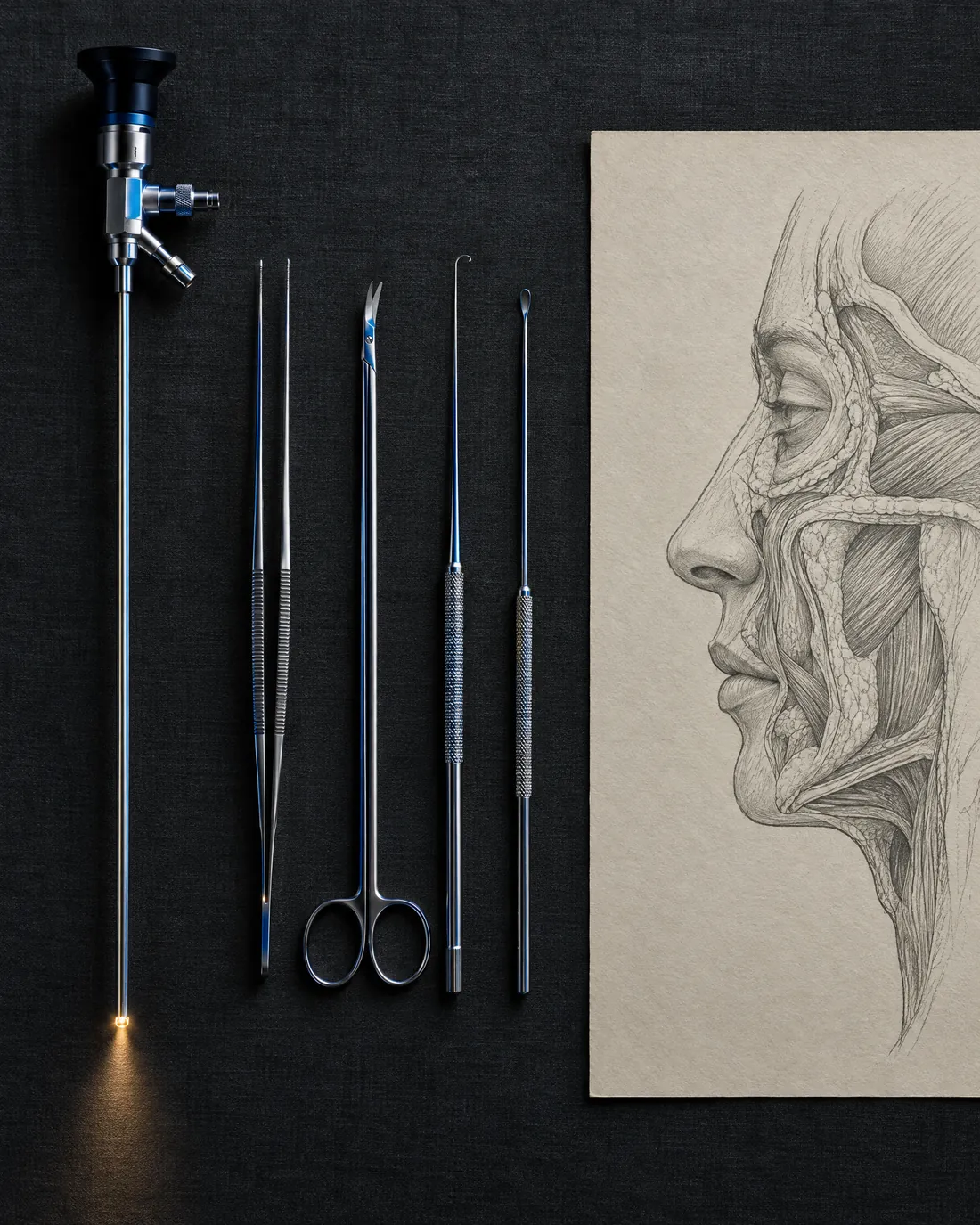
Dr. Kao and Dominik Duscher published a retrospective study of 600 consecutive patients treated with the Ponytail Lift™ and Ponytail Facelift™, each followed for at least twelve months.
| Patients | 600 consecutive |
|---|---|
| Follow-up | 12 months or longer |
| Mean age | 50.9 years |
| Age range | 17–82 years |
Kao CC, Duscher D. Read the study in Aesthetic Surgery Journal (opens in a new tab).
A retrospective study of one surgeon’s experience. Individual results vary.
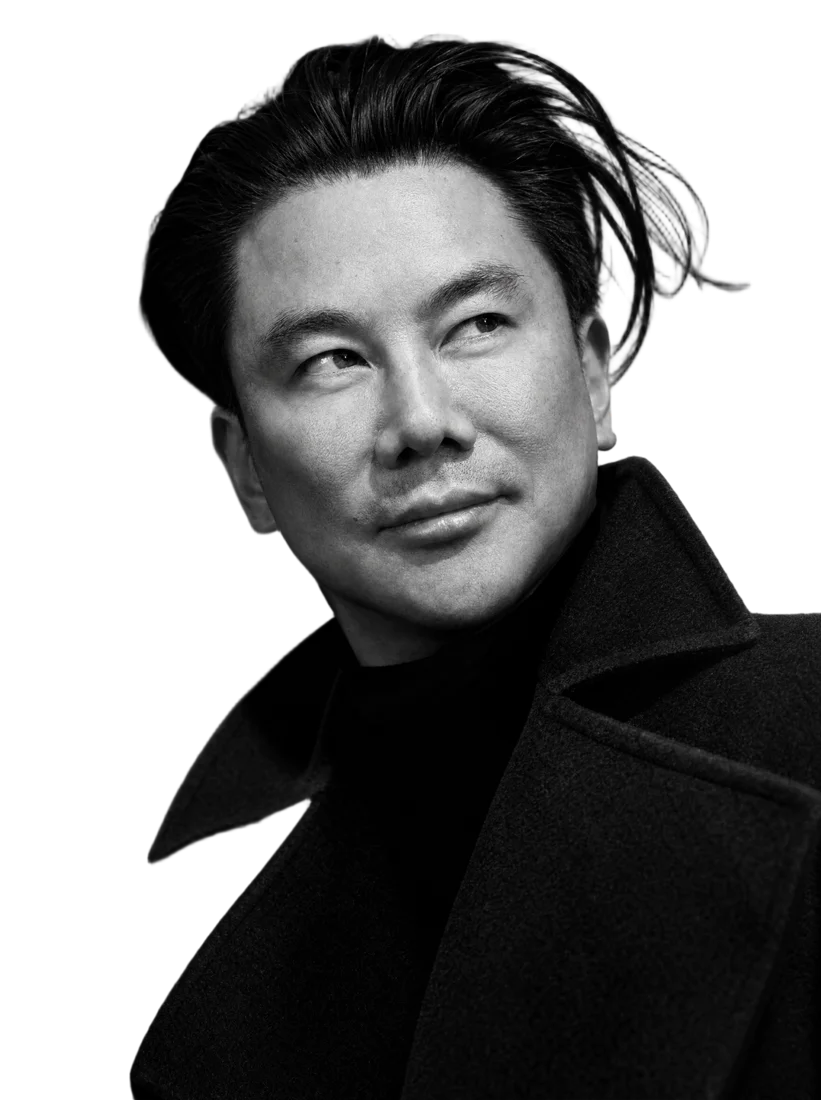
Chia Chi Kao, MD
Board-certified plastic surgeon and the creator of the Ponytail Lift™ and Ponytail Facelift™.
Born in Taipei and raised in Seattle, Dr. Kao trained in general surgery at the University of Washington, where he taught video endoscopic surgery to residents and fellow surgeons. He completed plastic surgery training at the University of Southern California and a fellowship in craniofacial surgery in Taipei. That endoscopic lineage is the root of the Ponytail system.
Meet Dr. Kao“It is not about making someone simply look younger, but giving them the gift of feeling attractive and vibrant. Beauty is timeless.”
- Board certification
- American Board of Plastic Surgery
- American Board of Surgery
- Medical degree
- University of Washington
- Training
- General surgery, University of Washington; chief resident
- Plastic surgery, University of Southern California
- International fellow in craniofacial surgery, Chang Gung Memorial Hospital, Taipei
- Endoscopy
- Clinical professor, University of Washington Center for Video Endoscopic Surgery
- Societies
- ASAPS · ASPS · ISAPS · IFATS
- California Society of Plastic Surgeons
- Licensure
- California · New York
- Hospital
- Staff surgeon, Providence Saint John’s
- 20th Street Surgery Center
Press
“…is single-handedly revolutionizing the future of facelifts.”
- Vogue
- ELLE
- Harper’s Bazaar
- Discovery Learning ChannelEndoscopic facial work
In patients’ words
“He is a perfectionist who has truly exceeded my expectations, everything looks even better than I ever dared hope.”
“He took a lot of time with me and seemed to have the passion and vision of an artist.”
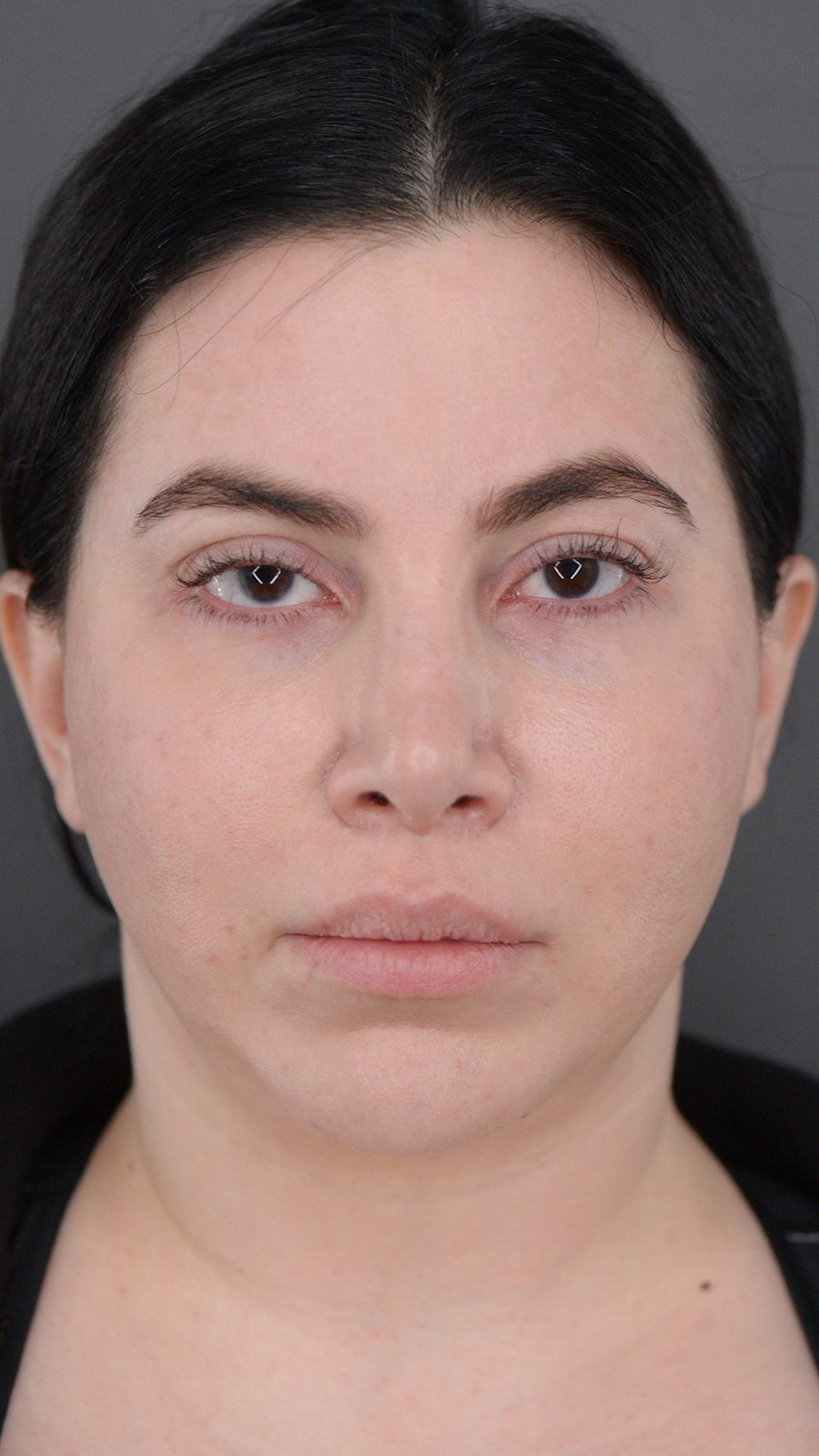
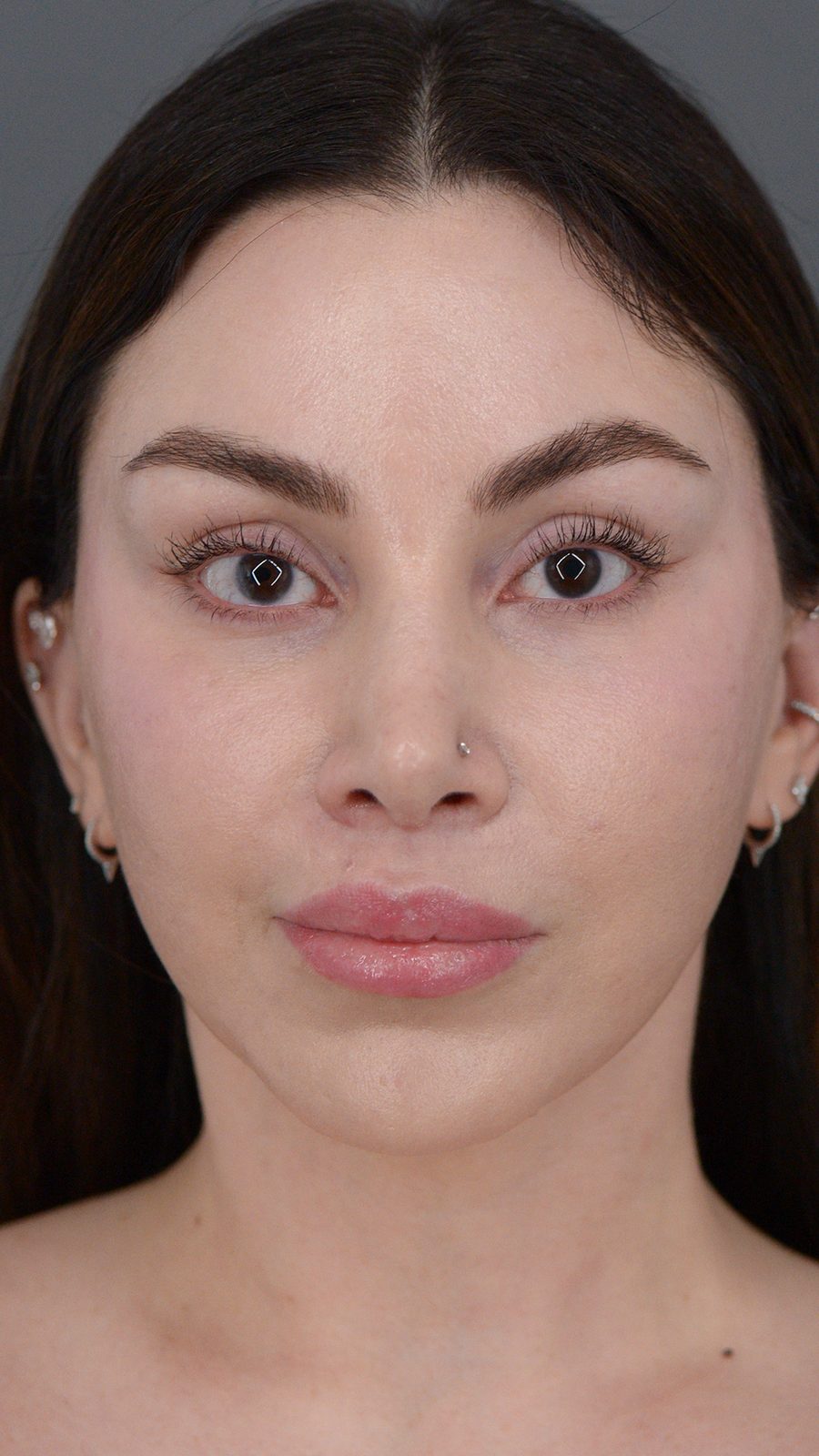
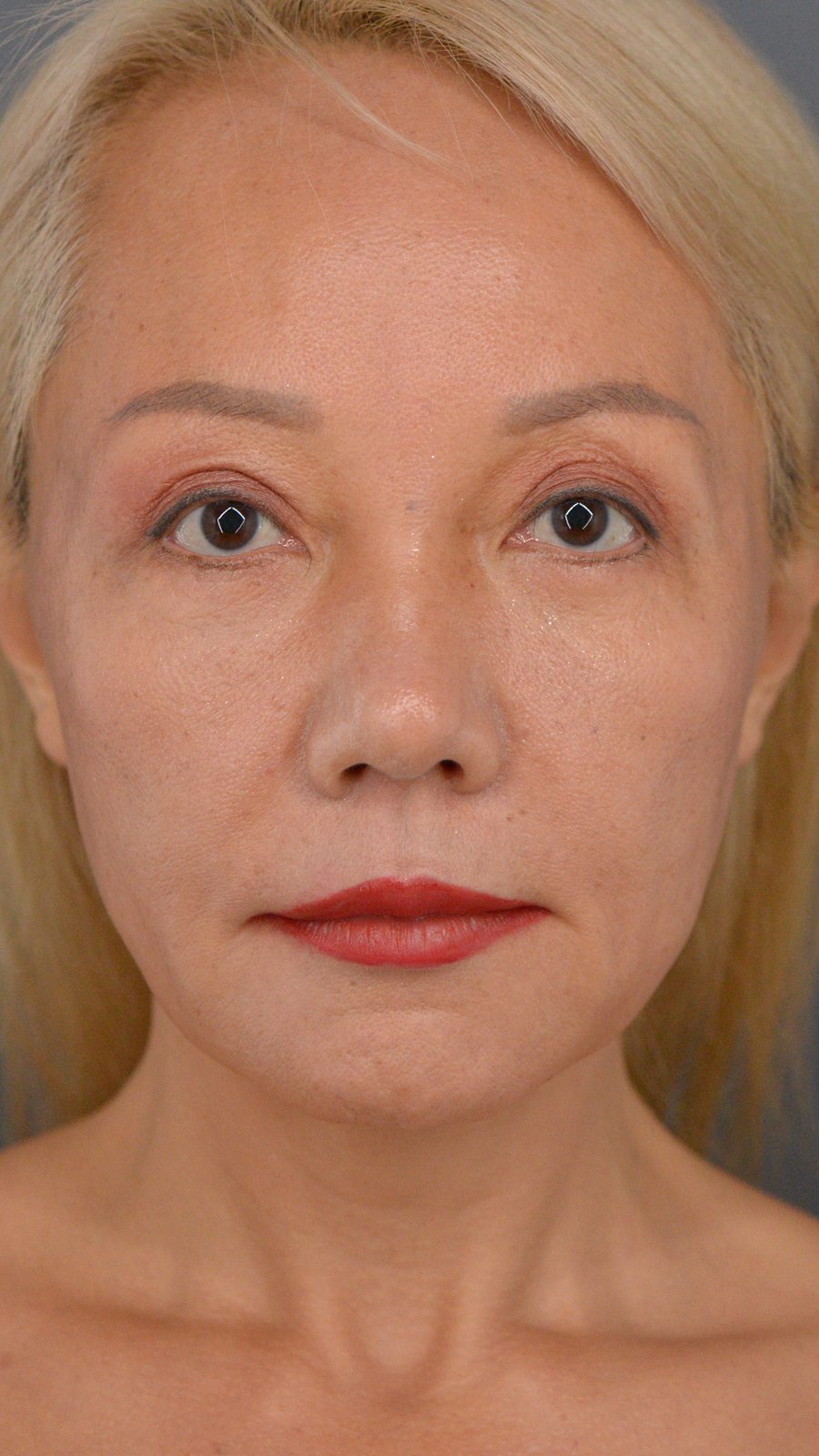
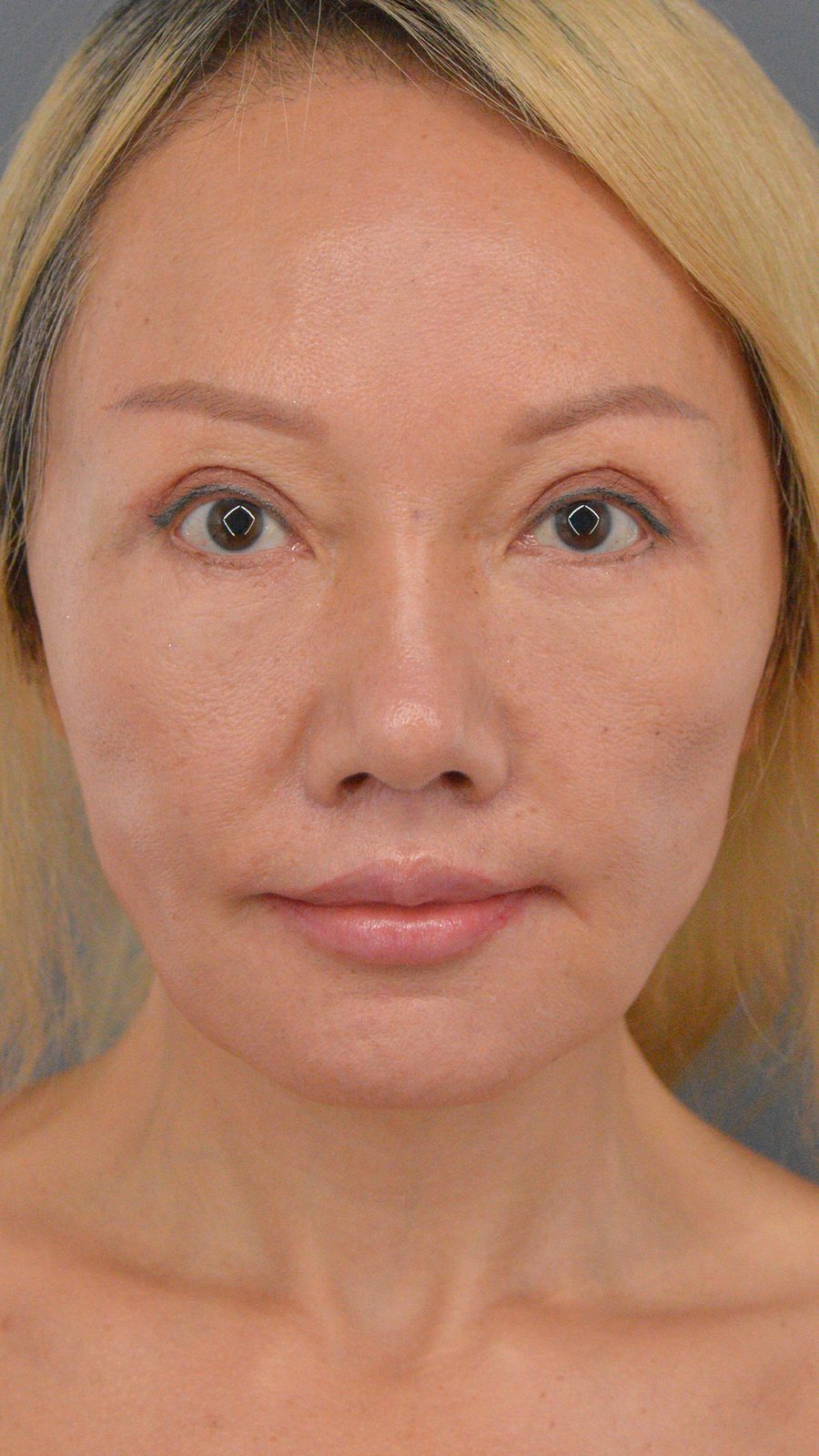
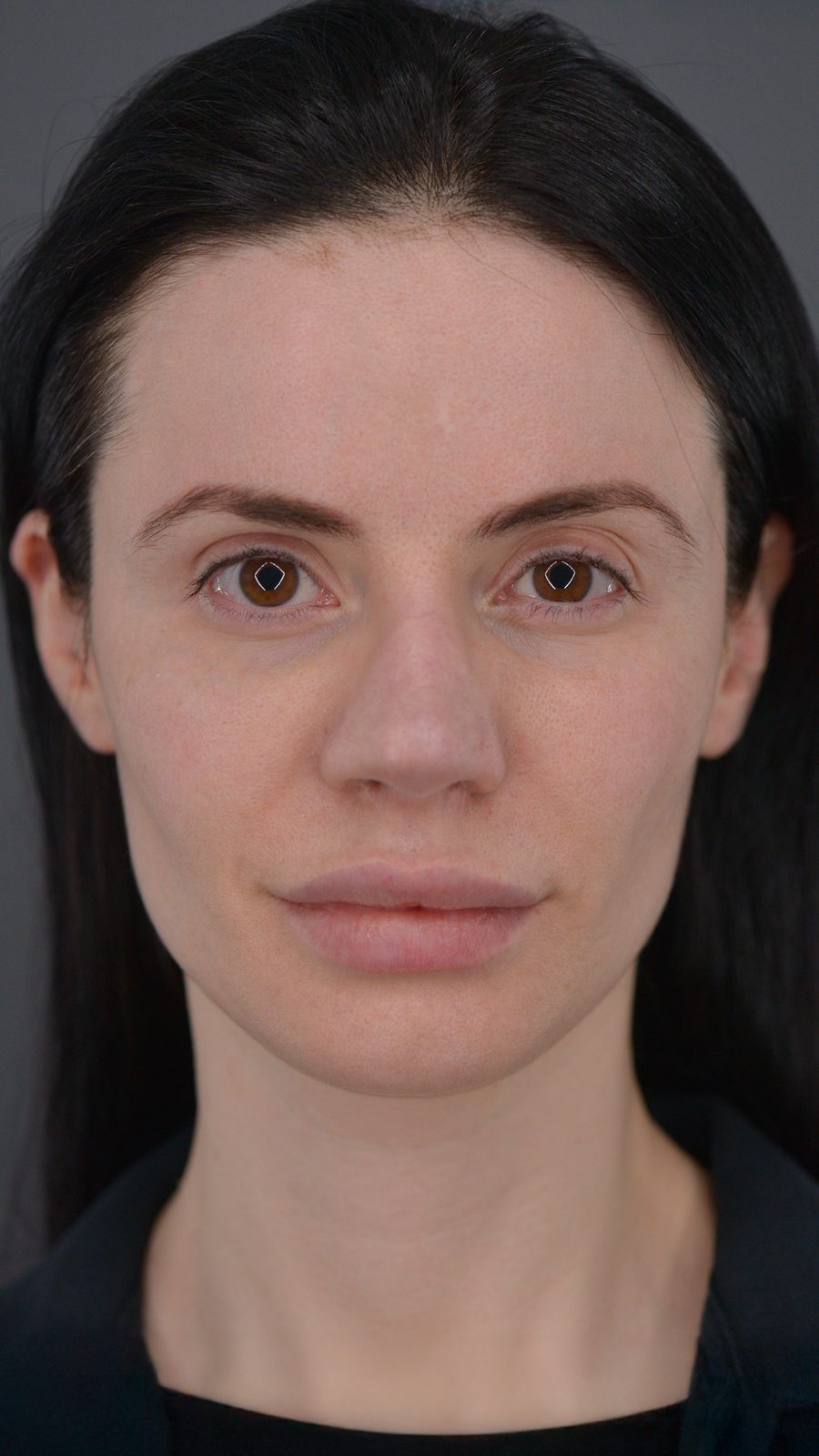
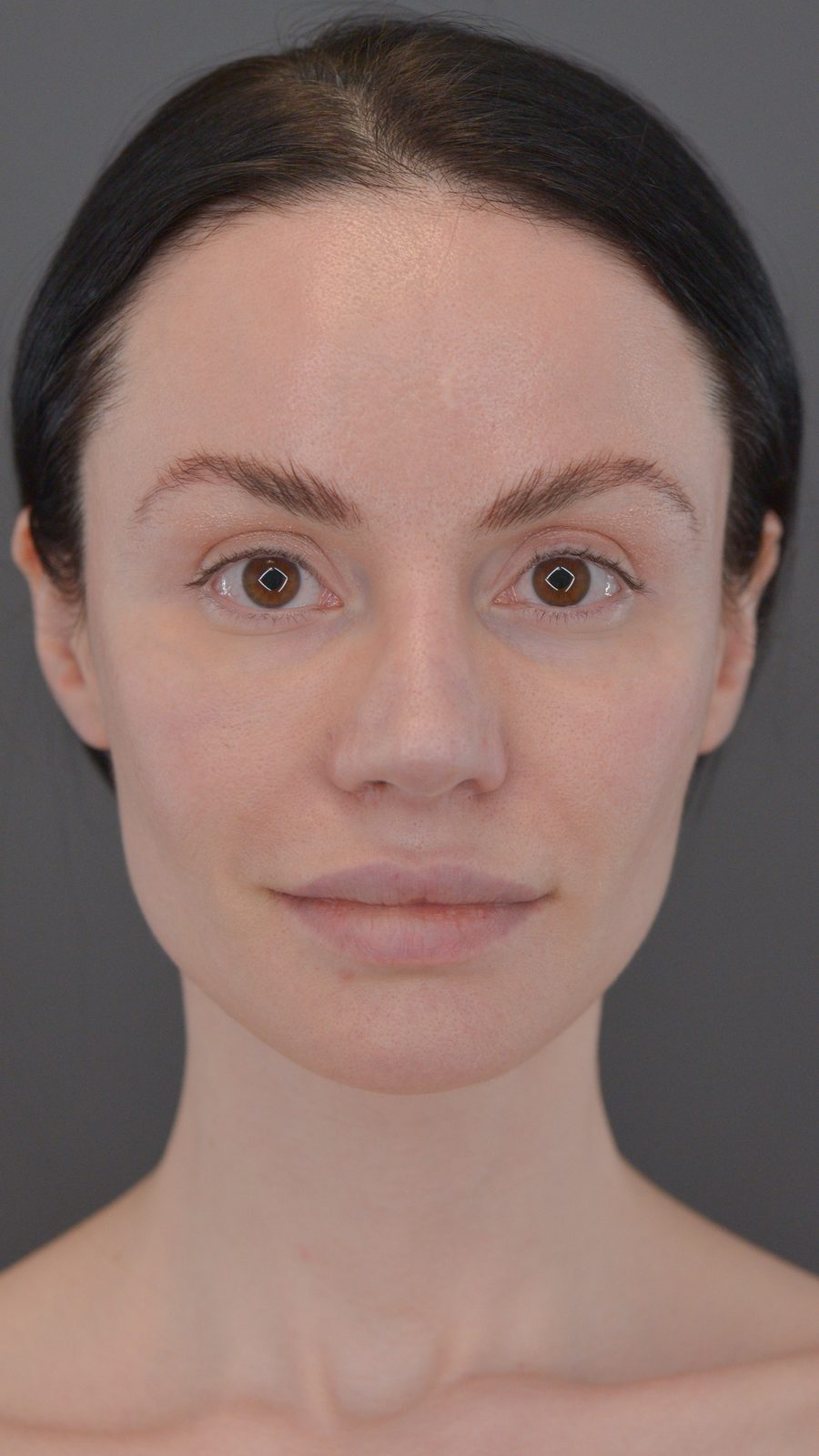
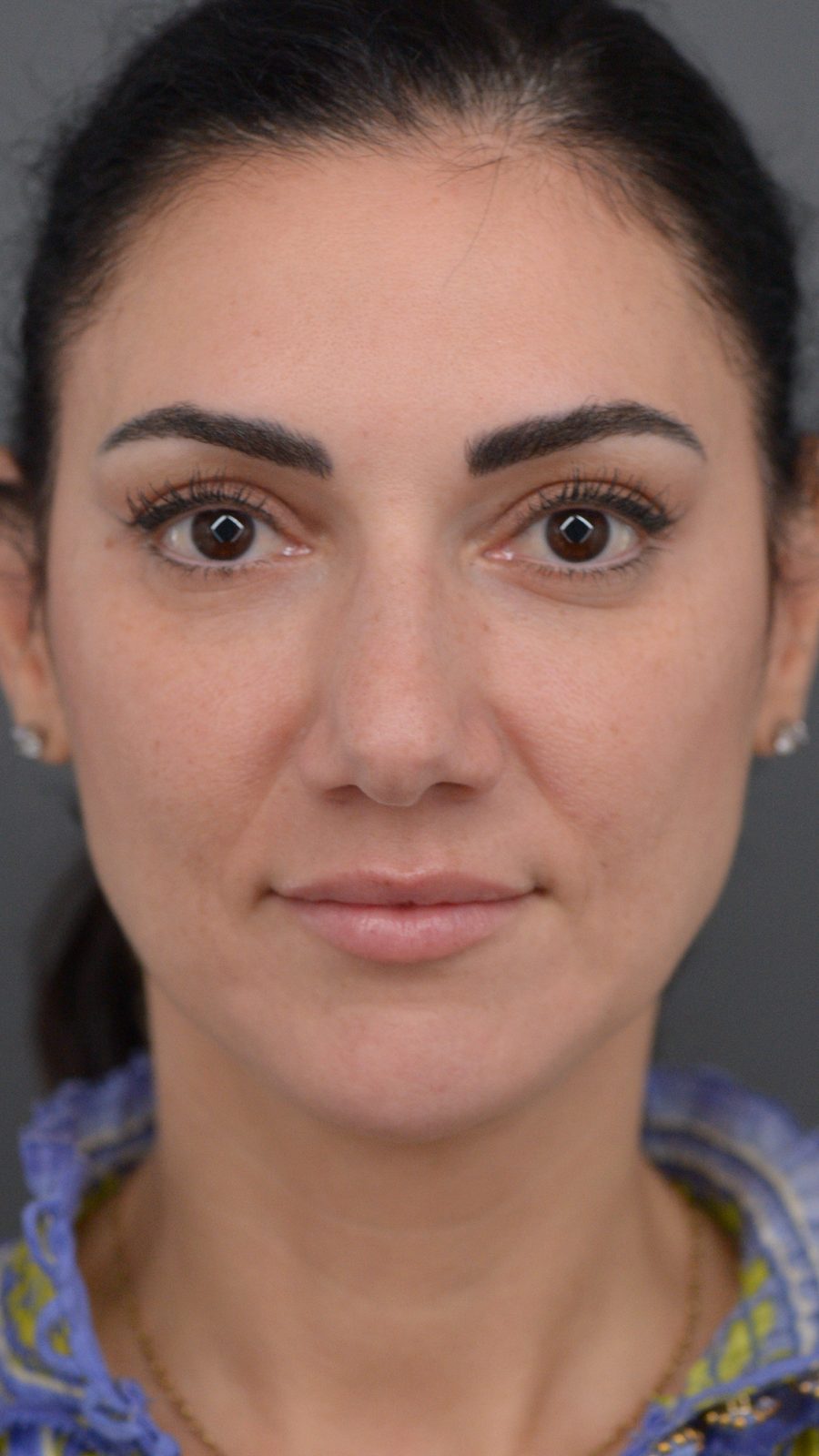
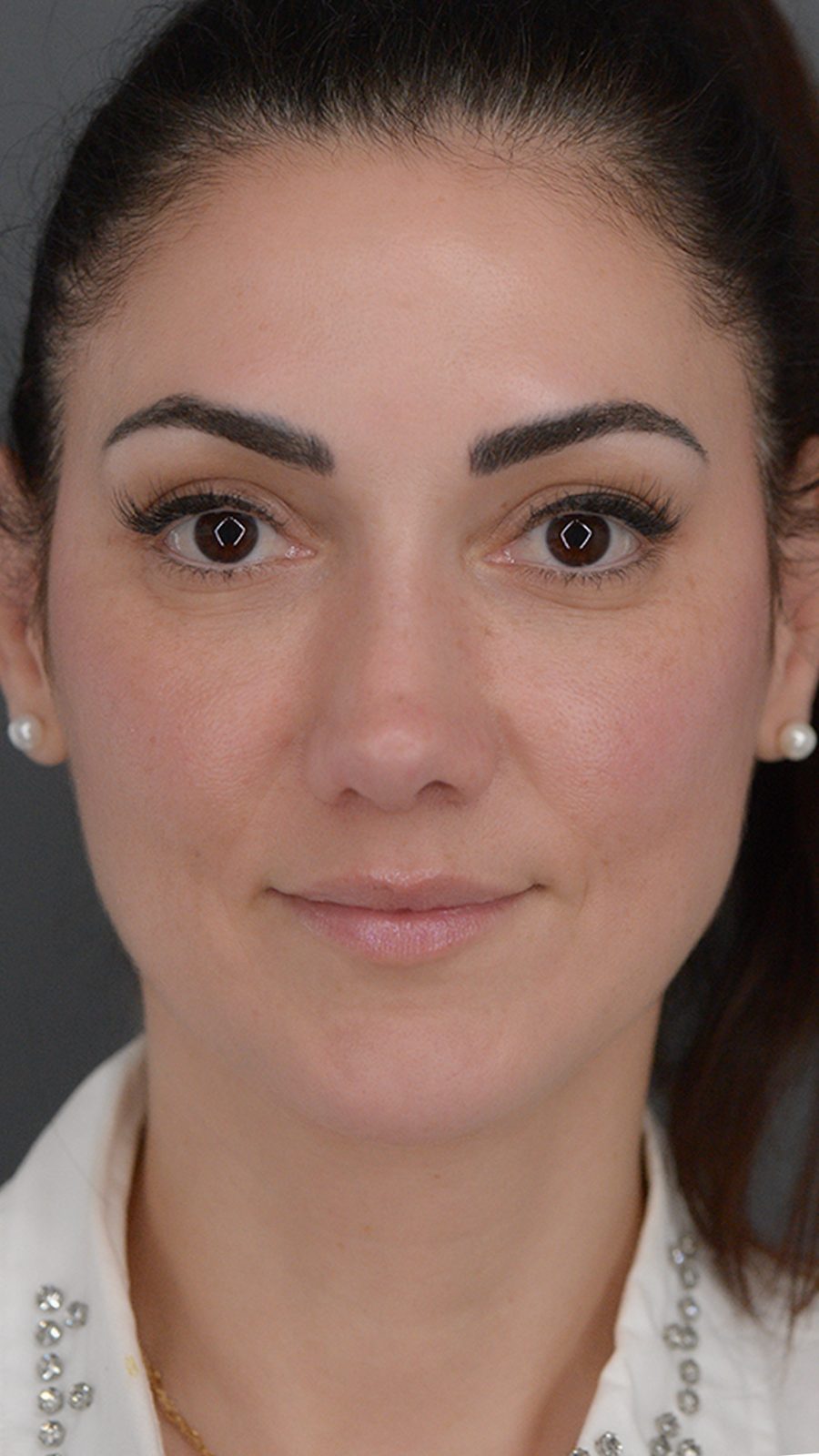
Before and after, case by case.
Private inquiry.
Consultations with Dr. Kao take place at 900 Wilshire. Five short questions begin the conversation; the first one commits you to nothing.
Begin your inquiryOr call (310) 315-9211 · Monday–Friday, 9 am–6 pm