Chia Chi Kao, MD

Procedures · Abdominoplasty

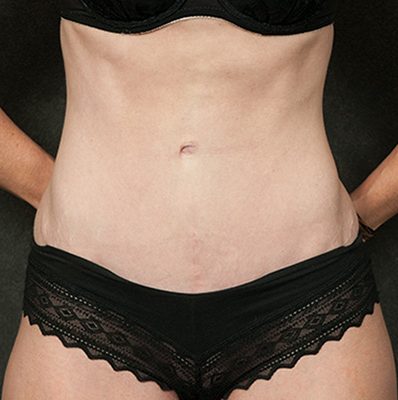
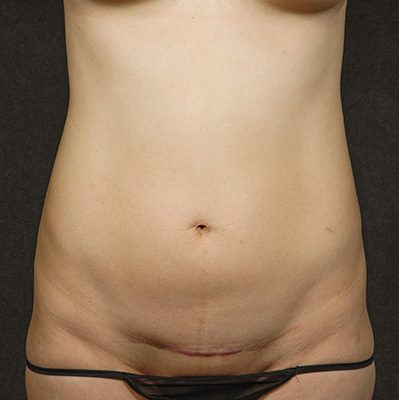
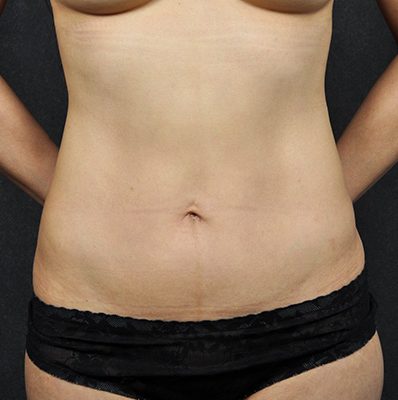
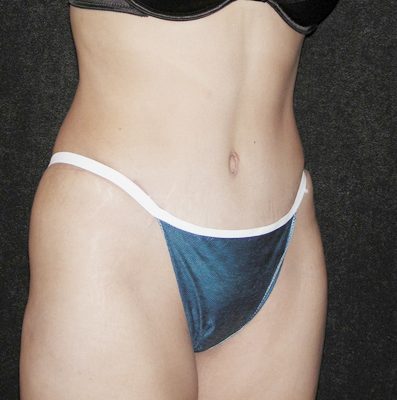
Repair the abdominal wall. Place the scar low.

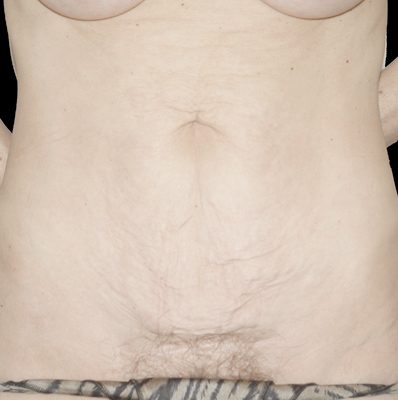
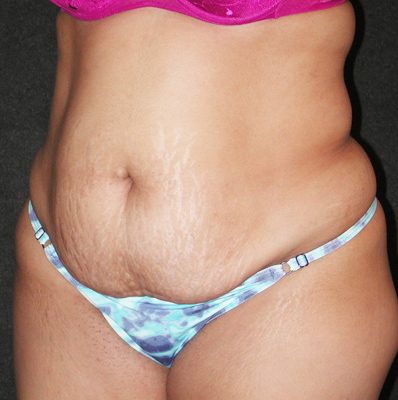
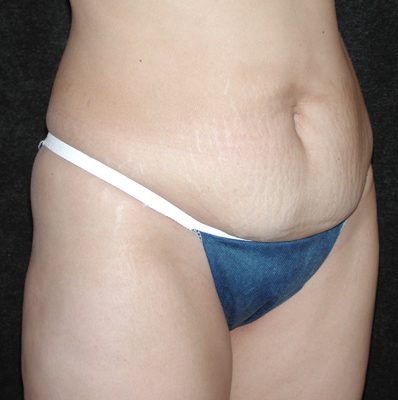
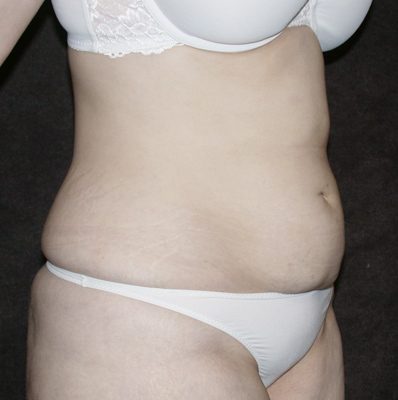
Pregnancy, weight change and age can stretch the skin and separate the abdominal muscles in ways exercise does not correct. Dr. Kao plans each abdominoplasty around what has actually changed: skin, fat, muscle, or all three. The options range from a limited lower incision to a full tummy tuck, including his Skinny Bikini Tuck™ Technique and revision of earlier surgery.

How Dr. Kao approaches it

The incision is placed low
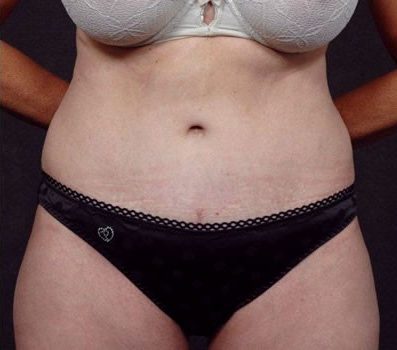
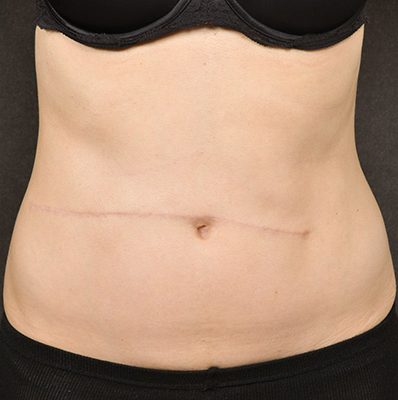
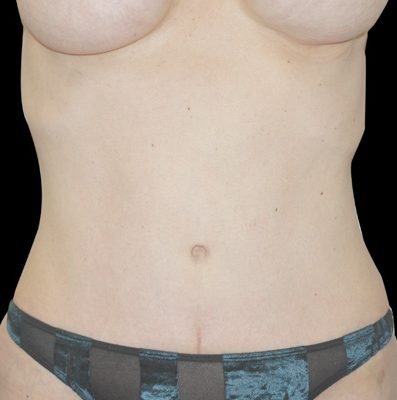
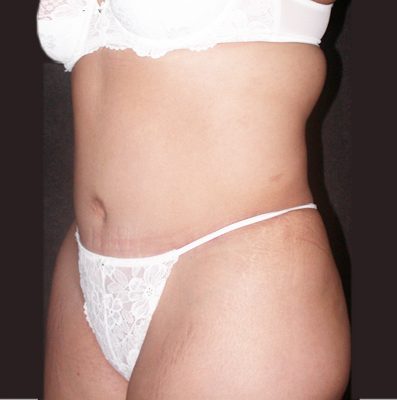
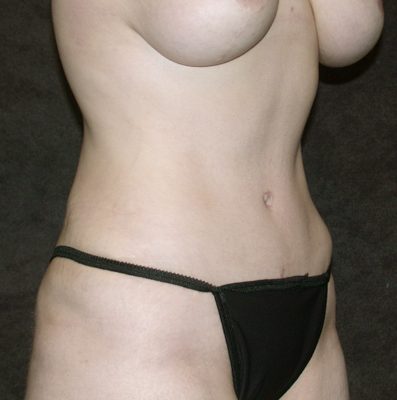
Dr. Kao makes a pencil-thin incision directly above the pubic bone, typically lower than a C-section scar. It follows the curve of the pelvis, with each end turning gently upward, so it can usually sit beneath underwear and swimwear.
The muscle is repaired, not only the skin
When the rectus muscles have separated, he brings the midline edges together and adds a second layer of sutures for support. His suturing is also designed to give definition along the obliques. In the Skinny Bikini Tuck™ Technique the repair runs from the sternum to the pubic bone.
The whole contour is shaped
Dr. Kao thins the mons pubis and the deeper fat of the upper flap so they match the rest of the abdomen. The practice states that he uses liposuction of the hips with all of his abdominoplasty techniques, to bring the hips into balance with the new abdominal contour.
The navel is made to look natural
When the navel needs to be repositioned, he shapes it with a hood in the upper portion and a gentle slant. In the Skinny Bikini Tuck™ Technique no incision is made at the navel, and it stays intact.

Full Tummy Tuck

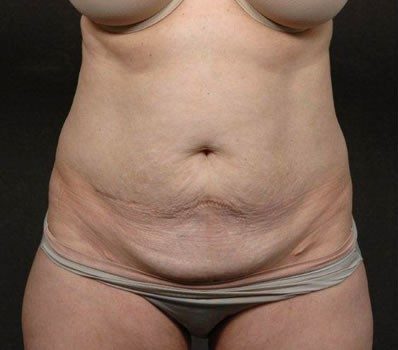
Removes loose skin above and below the navel and repairs separated abdominal muscles across the whole abdomen.

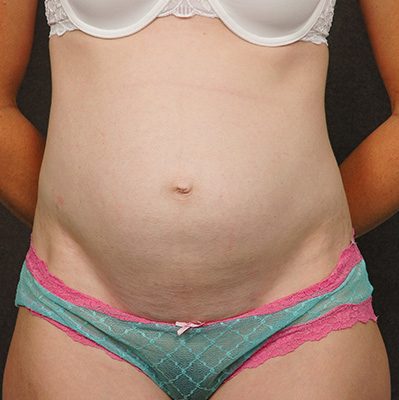
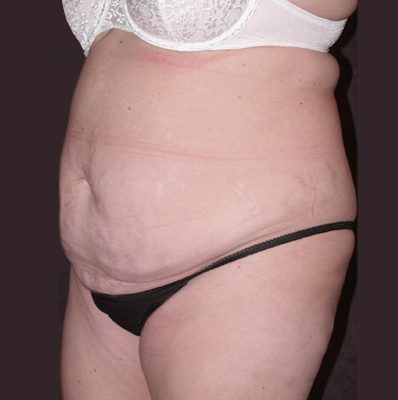
A full tummy tuck treats the entire abdomen. It is intended for loose skin that extends above the navel and for muscle separation after pregnancy or major weight change.

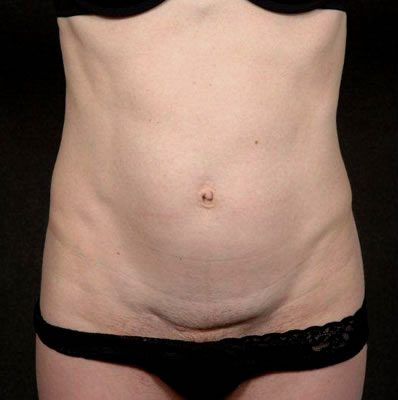
Dr. Kao brings the upper skin flap down to the low incision and removes the excess. He pays close attention to flap thickness and to the contour of the mons pubis, thinning both where needed so the lower abdomen matches the rest. The navel is repositioned through a small incision around it.

Liposuction of the waist, hips and flanks may be added to refine the transitions around the abdomen. The amount and location are set by the patient's anatomy and fat distribution.

Often suited to

  • Loose skin above and below the navel
  • Muscle separation after pregnancy
  • Redundant skin folds after major weight loss
  • Laxity that has not responded to diet and exercise

Technique

  • Pencil-thin incision above the pubic bone, typically lower than a C-section scar
  • Two-layer repair of a loose rectus abdominis muscle when needed
  • Thinning of the mons pubis and the deeper fat of the upper flap
  • Navel repositioned with an upper hood and a gentle slant
  • Incisions closed in layers to reduce tension

Recovery Swelling, bruising, tightness and temporary numbness are common early on. Temporary drains and an abdominal binder or compression garment may be used, and light walking is encouraged soon after surgery. Many patients return to desk work in about two to three weeks, with full activity over the following weeks once Dr. Kao gives clearance. Residual swelling can continue to settle for several months.

Mini Tummy Tuck

A shorter, very low incision to treat loose skin and fullness confined to the lower abdomen.

A mini tummy tuck is reserved for patients with good skin elasticity in the upper abdomen and a lower pouch below the navel. A limited amount of skin and fat is removed from the lower abdomen and the remaining skin is redraped.

Where the separation is confined below the navel, Dr. Kao may tighten the lower abdominal wall. The navel is generally not repositioned. If laxity or muscle separation extends above the navel, a full tummy tuck is usually the better choice.

Often suited to

  • A lower-abdominal pouch below the navel
  • Firm skin above the navel
  • Limited muscle separation
  • A stable weight

Technique

  • Short incision placed very low, just above the pubic area
  • Limited skin removal, mainly below the navel
  • Lower abdominal wall tightening when indicated
  • Navel generally left in place
  • May be combined with liposuction of the waist and flanks

Recovery Recovery is generally shorter than after a full tummy tuck. The practice notes that mini tummy tuck patients often return to work within seven to ten days and resume light activity within about two weeks.

Endoscopic Tummy Tuck

Repairs separated abdominal muscles through small incisions with a camera, for patients with little excess skin.

Some patients have separated or weakened abdominal muscles but little loose skin. For them, an endoscopic approach repairs the abdominal wall without the long incision of a full tummy tuck.

Through small access incisions, placed where possible near the navel or low on the abdomen, Dr. Kao uses a slender camera to view the abdominal wall. He dissects up to the lower end of the sternum and places two layers of sutures to tighten the muscles. A small amount of skin is removed only if necessary.

Often suited to

  • Muscle separation with little excess skin
  • Good skin elasticity
  • Thin patients near a stable weight
  • Mini tummy tuck candidates who also have muscle laxity

Technique

  • Small, discreetly placed access incisions
  • Endoscopic view of the abdominal wall
  • Dissection up to the xiphoid process
  • Two layers of sutures to tighten the muscles
  • Little or no skin removal

Skinny Bikini Tuck™ Technique

Dr. Kao's endoscopic approach to tightening the abdominal wall from sternum to pubis and narrowing the waist through a low incision.

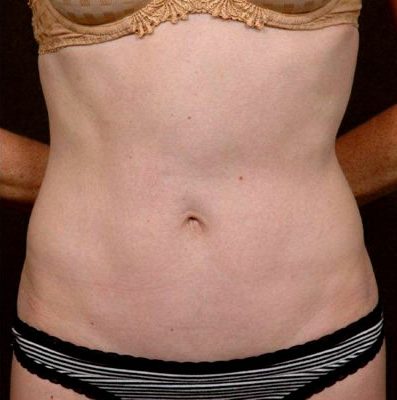
After pregnancy the muscles may regain strength, but the stretched fascia often does not return to its earlier state. The Skinny Bikini Tuck™ Technique addresses that separation along its full length, from the pubis to the sternum, to narrow the rib cage and the waist.

Dr. Kao first shapes the waistline with micro-liposuction through a tiny incision. Through a small incision just above the pubic bone, slightly lower than a C-section scar, he uses an endoscope to reach the ribs and repair the diastasis recti from the sternum to the pubic area. Any excess skin is then removed along the incision.

No incision is made at the navel. It is intended for patients with loose abdominal muscles, excess fat and minimal loose skin. Patients with significant loose skin may still need a more traditional incision.

Often suited to

  • Diastasis recti after pregnancy
  • A widened waistline despite diet and exercise
  • Good skin tone with minimal to moderate laxity
  • Patients not planning a future pregnancy

Technique

  • Micro-liposuction of the waistline through a tiny incision
  • Small incision just above the pubic bone
  • Endoscopic dissection up to the ribs
  • Muscle repair from the sternum to the pubic area
  • No incision at the navel

Recovery Swelling and bruising usually resolve over a few weeks. Strenuous activity is avoided for at least three weeks, and walking is encouraged in the first days to help prevent blood clots. Normal activities usually resume at about four weeks, once Dr. Kao approves.

Revision Tummy Tuck and Scar Revision

Corrects a high scar, persistent looseness or contour problems after a tummy tuck performed elsewhere.

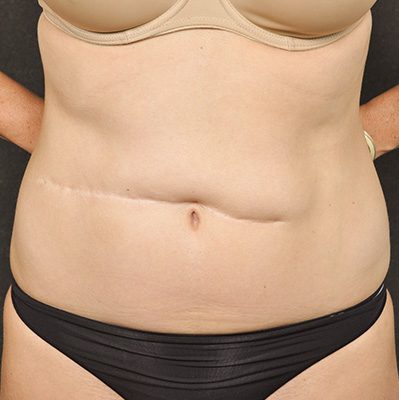
Dr. Kao sees tummy tuck scars that sit too high, run too straight, are too thick or were closed under too much tension. Some patients still have to hold the abdomen in after their first operation because the muscles were not tightened enough.

Revision is more difficult than a first tummy tuck. Scar tissue, altered anatomy and the amount of remaining skin set the limits. A high scar can sometimes be lowered, but not always. In published cases Dr. Kao has recruited skin from above to lower the scar, tightened the abdominal wall, repaired a local hernia, removed a seroma capsule, sculpted the waist in 360 degrees and used fat grafting to improve thin skin and scar quality.

Every revision is planned within the limits left by the earlier surgery. Not every patient is a candidate for the same approach, and results vary.

Often suited to

  • A high or visible scar from a prior tummy tuck
  • Persistent looseness or bulging after surgery
  • A waistline that was not shaped
  • A thickened C-section or abdominal scar

Technique

  • Excision of old scars and repositioning of the scar where skin allows
  • Tightening of the abdominal wall
  • Liposuction and contouring of the waist, flanks and back
  • Fat grafting to improve thin skin and scar quality
  • Navel refinement when needed

Questions

How do I know whether I need a mini, endoscopic or full tummy tuck?

It depends on where the laxity is and what it involves. A mini tummy tuck treats a lower pouch with firm skin above the navel. An endoscopic tummy tuck repairs muscle separation when there is little excess skin. A full tummy tuck treats loose skin and muscle separation across the whole abdomen. Dr. Kao decides after examining your skin, fat and abdominal wall.

Where will the scar be?

A tummy tuck leaves a permanent scar. Dr. Kao places it low, above the pubic bone and typically lower than a C-section scar, so it can usually be hidden under underwear and swimwear. A full tummy tuck may also leave a small scar around the navel. Scars are often red or firm at first and soften over time, though the final appearance varies.

Can exercise correct diastasis recti?

Exercise can strengthen the abdominal muscles, but it may not restore fascia stretched by pregnancy. In some severe cases, exercises such as sit-ups can make the separation look worse. Surgical repair brings the separated muscles back together.

Can a tummy tuck be combined with other procedures?

Yes. Liposuction of the waist, hips and flanks is often part of the plan. Some patients combine a tummy tuck with breast surgery as a mommy makeover, or with a Brazilian butt lift. Combining procedures means a single recovery, but it also increases operating time and planning.

Should I wait if I plan another pregnancy?

Patients planning future pregnancies may be advised to postpone surgery. Pregnancy can stretch the abdominal wall again and affect the long-term result.

Further reading from Dr. Kao

Every plan begins with an examination by Dr. Kao.

Request a private consultation

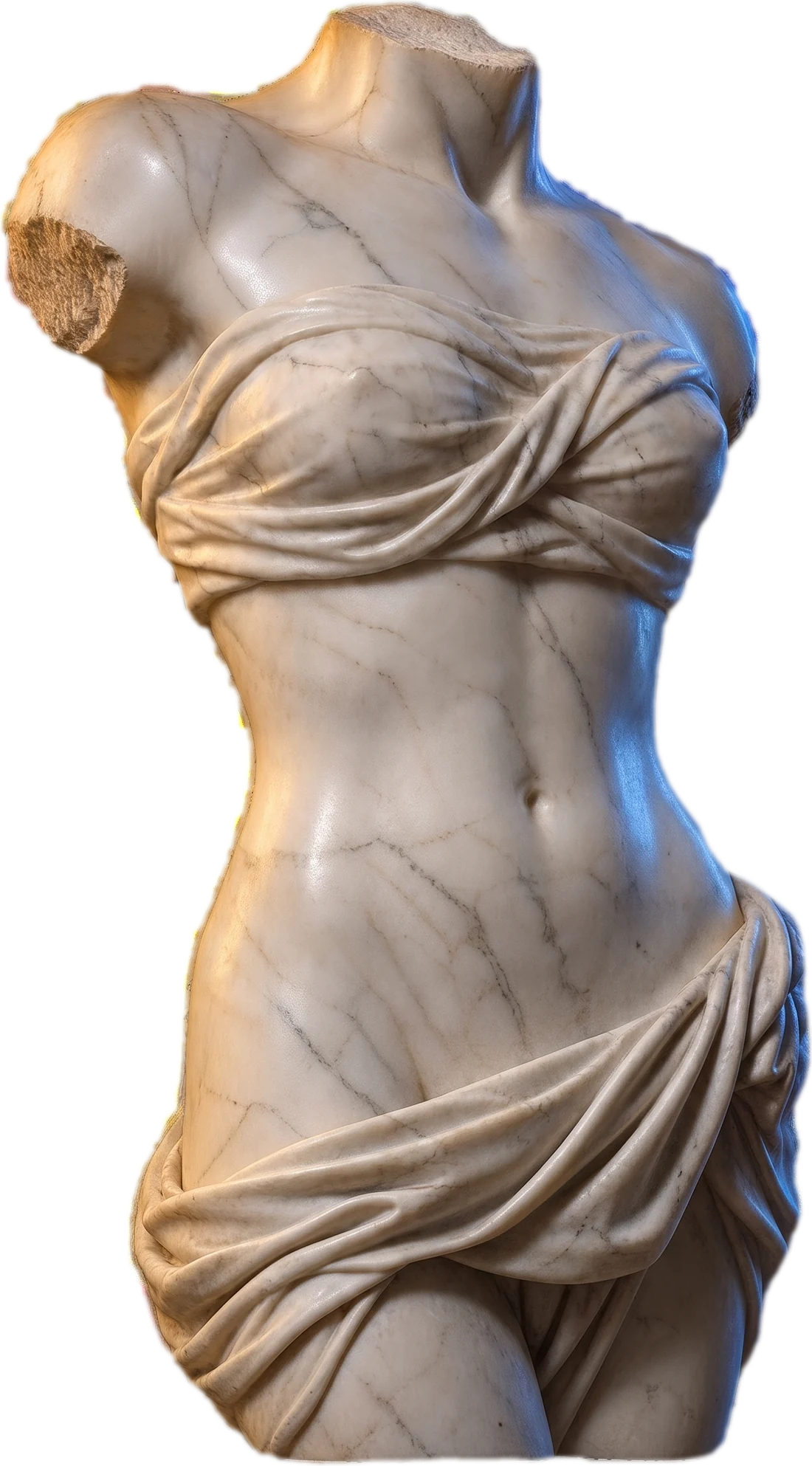
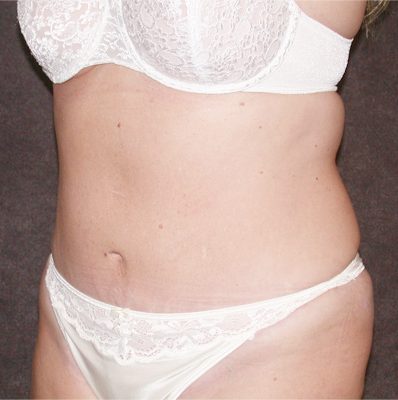
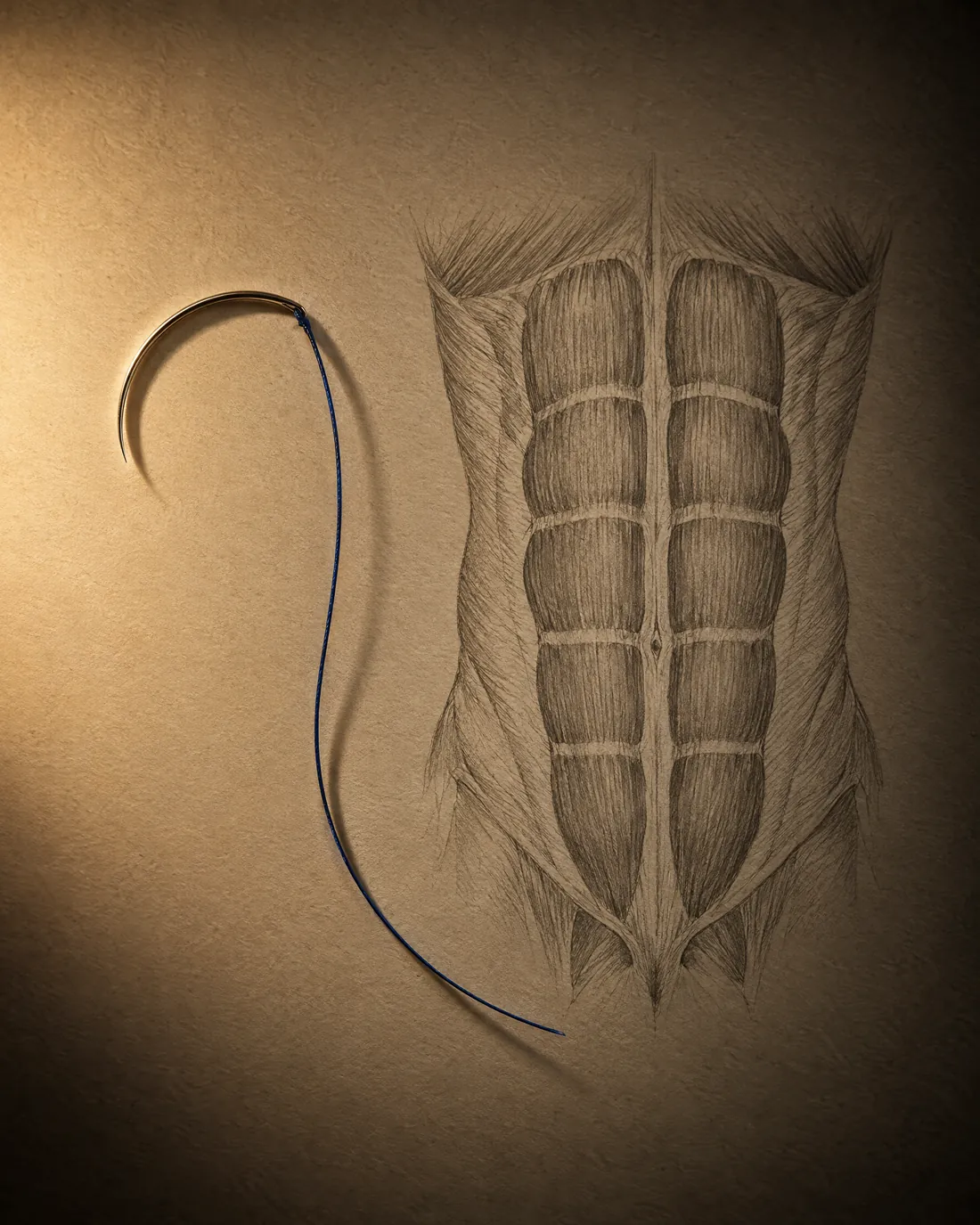
Before-and-after photographs are actual Dr. Kao patients; individual results vary. The other photographs are still lifes.