Ponytail Lift® and Ponytail Facelift™ in Los Angeles
Lift the face vertically, through discreet incisions
Advanced facial rejuvenation developed by Dr. Chia Chi Kao to restore the brows, temples, cheeks, jawline and neck through a customized approach designed around each patient’s anatomy.
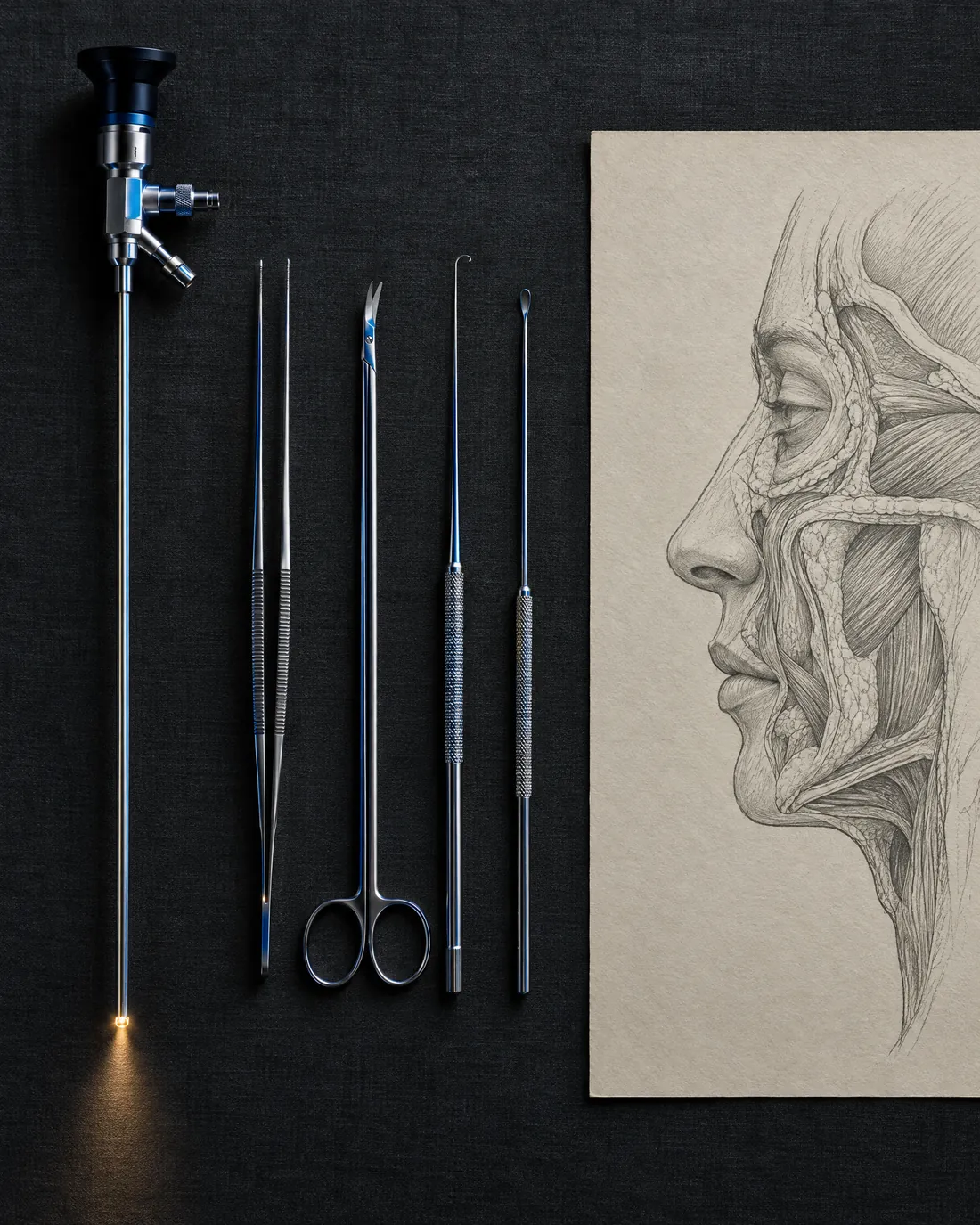
The Ponytail Lift™ is not a thread lift, and not a smaller facelift under a new name. It is a stepwise system of endoscopic deep-plane facial rejuvenation, developed by Dr. Kao and adapted to the anatomy of each face. Four clinical levels, from the Ponytail Lift™ I to the Ponytail Facelift™ II, are assigned by Dr. Kao after an examination, never chosen from a menu.
The plan follows the anatomy
The operation is not built around one predetermined look. Some patients want a subtle refresh and others need comprehensive improvement of the brows, eyes, cheeks, jowls, jawline and neck. Dr. Kao assesses skin elasticity, tissue thickness, hairline, facial volume, jowling and neck anatomy, then assigns the level that fits.
Vertical vectors, not backward pull
A traditional facelift often relies on backward skin tension. Dr. Kao's technique lifts tissues vertically and repositions deeper structures rather than tightening skin alone. Vertical does not mean every feature moves the same amount: a brow may need rotation, a cheek may need volume support, and the jawline and neck may need separate maneuvers.
Three layers of aging
Deep structural support (the SMAS and deep-plane tissues) is repositioned. Facial volume is restored with regenerative fat transfer where indicated, never as indiscriminate filling. Skin quality and excess are treated by resurfacing or, when the lower face and neck call for it, by removing a limited amount of skin.
Discreet incisions, honestly described
Every incision leaves a scar. The aim is to place only the incisions the anatomy requires, hidden in the scalp, behind the ear or within natural contours, and to preserve the hairline and sideburn. The Ponytail Lift™ I uses incisions hidden in the scalp; later levels add limited access as needed.
Published experience
Dr. Kao and Dominik Duscher reported 22 years of experience in 600 consecutive patients treated between 2000 and 2022, each with at least 12 months of follow-up. Mean age was 50.9 years and the range was 17 to 82. It is a retrospective series from the surgeon who developed the technique, published in Aesthetic Surgery Journal.
What Are the Ponytail Lift® and Ponytail Facelift™
The Ponytail Lift® is Dr. Kao’s endoscopic approach to rejuvenating the outer brow, temples, eyes, upper cheeks and lateral midface through discreet incisions concealed within the scalp.
The Ponytail Facelift™ expands that philosophy to address the lower face, jowls, jawline and neck when more comprehensive correction is required.
Both procedures are customized according to the patient’s anatomy, degree of facial aging, skin quality and desired level of change.
Refresh or Transform Your Face With Minimal Incisions
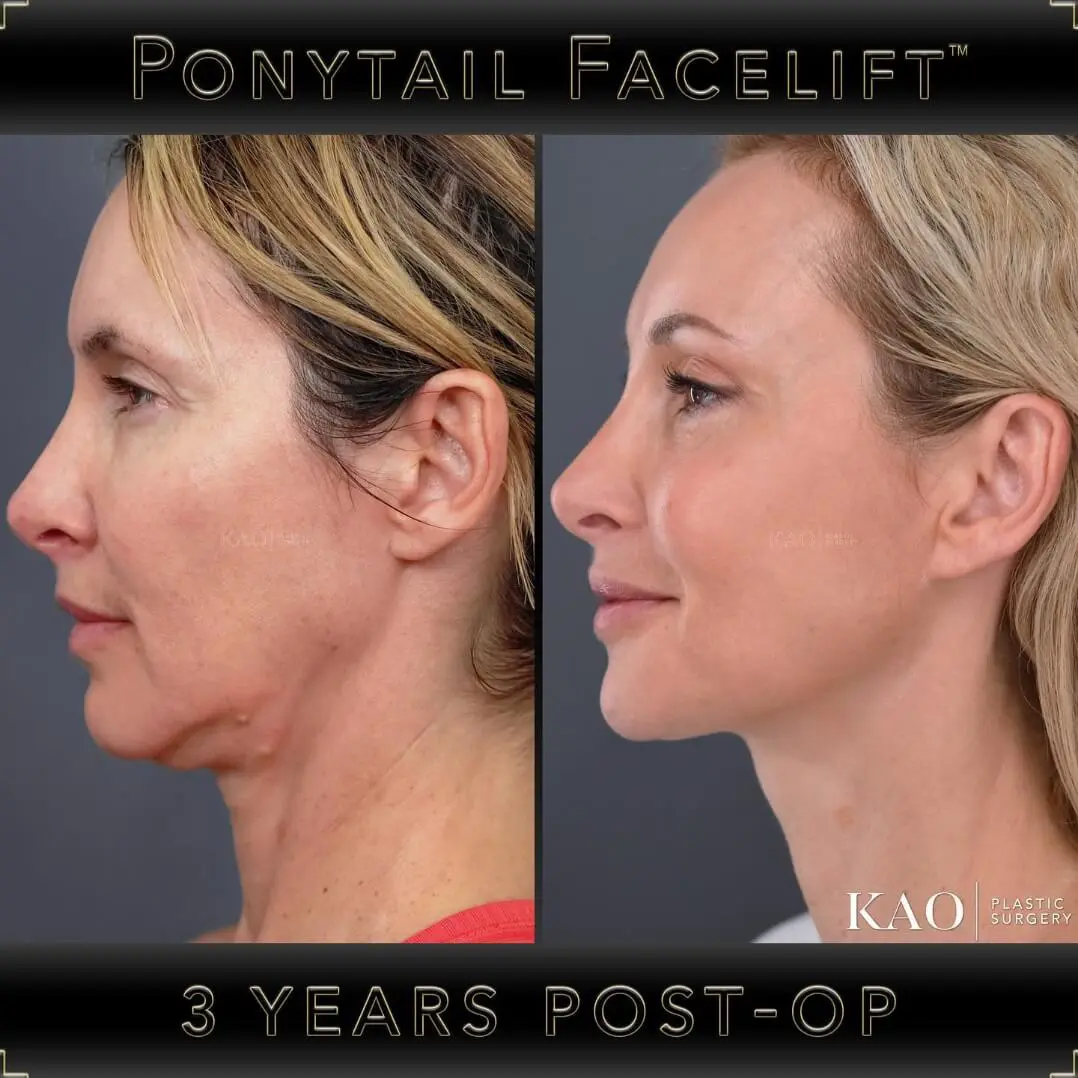
The Ponytail Facelift™ in Los Angeles is Dr. Chia Chi Kao’s signature facial rejuvenation technique, created for patients who want a refreshed, lifted, and more harmonious appearance with discreet incision placement and natural-looking results. Rather than relying only on skin tightening, the Ponytail Facelift™ is designed to elevate and refine the face in a way that supports the brows, eyes, cheeks, jawline, and neck while preserving the patient’s natural facial character.
At Kao Plastic Surgery in Santa Monica, Dr. Kao customizes each Ponytail Facelift™ based on the patient’s facial anatomy, aging pattern, skin quality, volume changes, and aesthetic goals. Some patients want subtle refinement that helps them look rested and refreshed, while others want a more transformative improvement in facial balance, cheek position, jawline definition, and neck contour.
The goal of the Ponytail Facelift™ is not to create a tight or “pulled” look. Dr. Kao’s approach focuses on vertical facial rejuvenation, discreet incision planning, and natural facial harmony. For patients comparing facelift options in Los Angeles, the Ponytail Facelift™ offers a highly specialized technique developed by Dr. Kao for select candidates seeking elegant, long-lasting facial rejuvenation.
The Ponytail Facelift™ is a customized facial rejuvenation procedure that may include treatment of the upper face, midface, lower face, jawline and neck.
It builds on Dr. Kao’s vertical-lift philosophy while expanding treatment to areas that may not be adequately addressed by the Ponytail Lift® alone.
The exact incision pattern and surgical plan depend on the patient’s anatomy, degree of laxity and the areas requiring correction.
How the Ponytail Facelift™ Is Different
Customized Incision Placement — Incisions are planned according to the areas being treated and may be concealed within the scalp, around the hairline, behind the ear or within other natural contours.
Region-Specific Lifting Vectors — Different facial regions may require different directions of repositioning. The upper face, cheeks, jawline and neck are treated according to their individual anatomy rather than pulled in one uniform direction.
Deeper Structural Repositioning — The procedure is designed to reposition deeper support structures rather than relying on skin tension alone.
Natural-Looking Facial Balance — The goal is to improve facial position and proportion while preserving expression, hairline, identity and natural movement.
kaoplasticsurgery
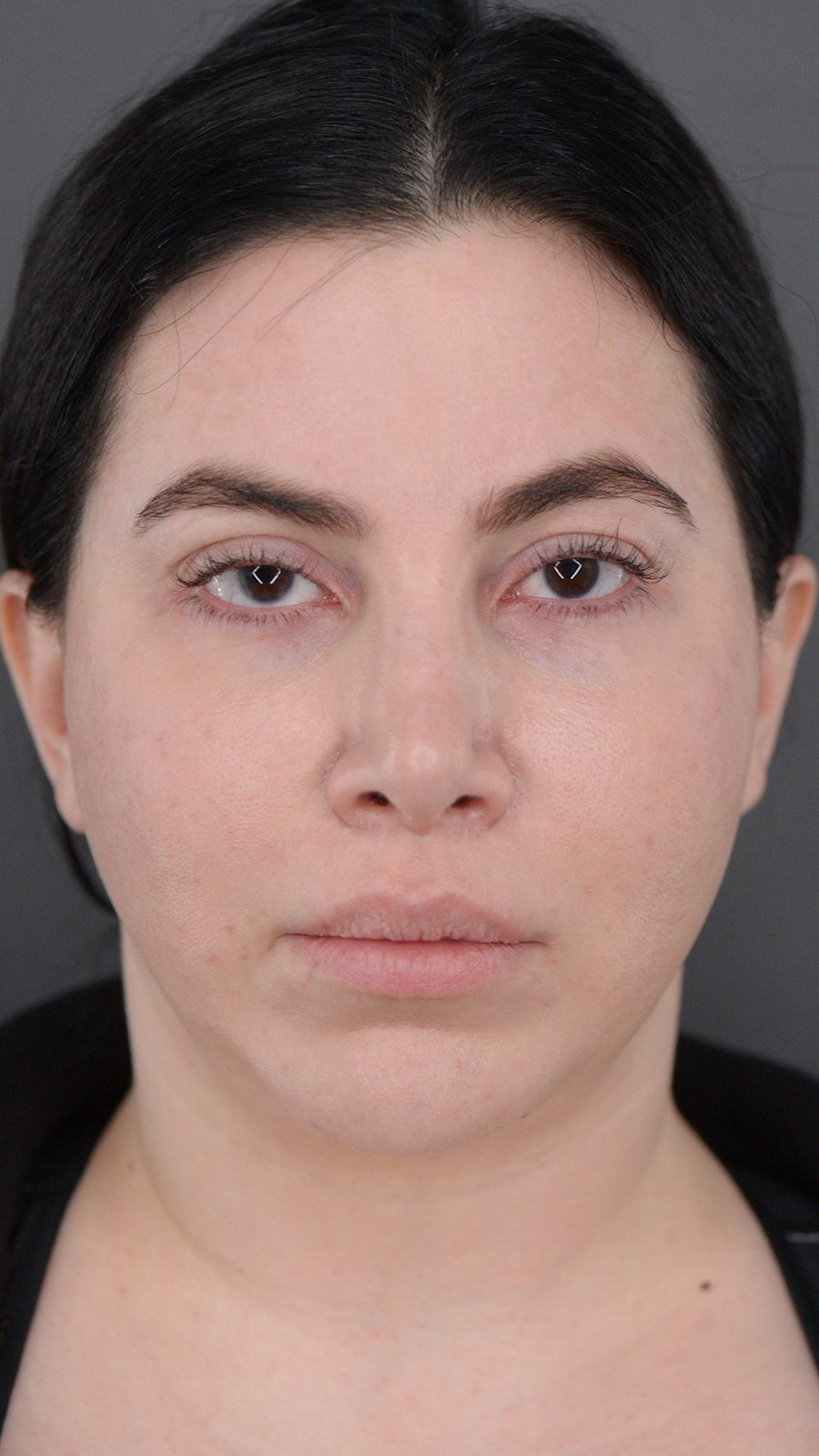
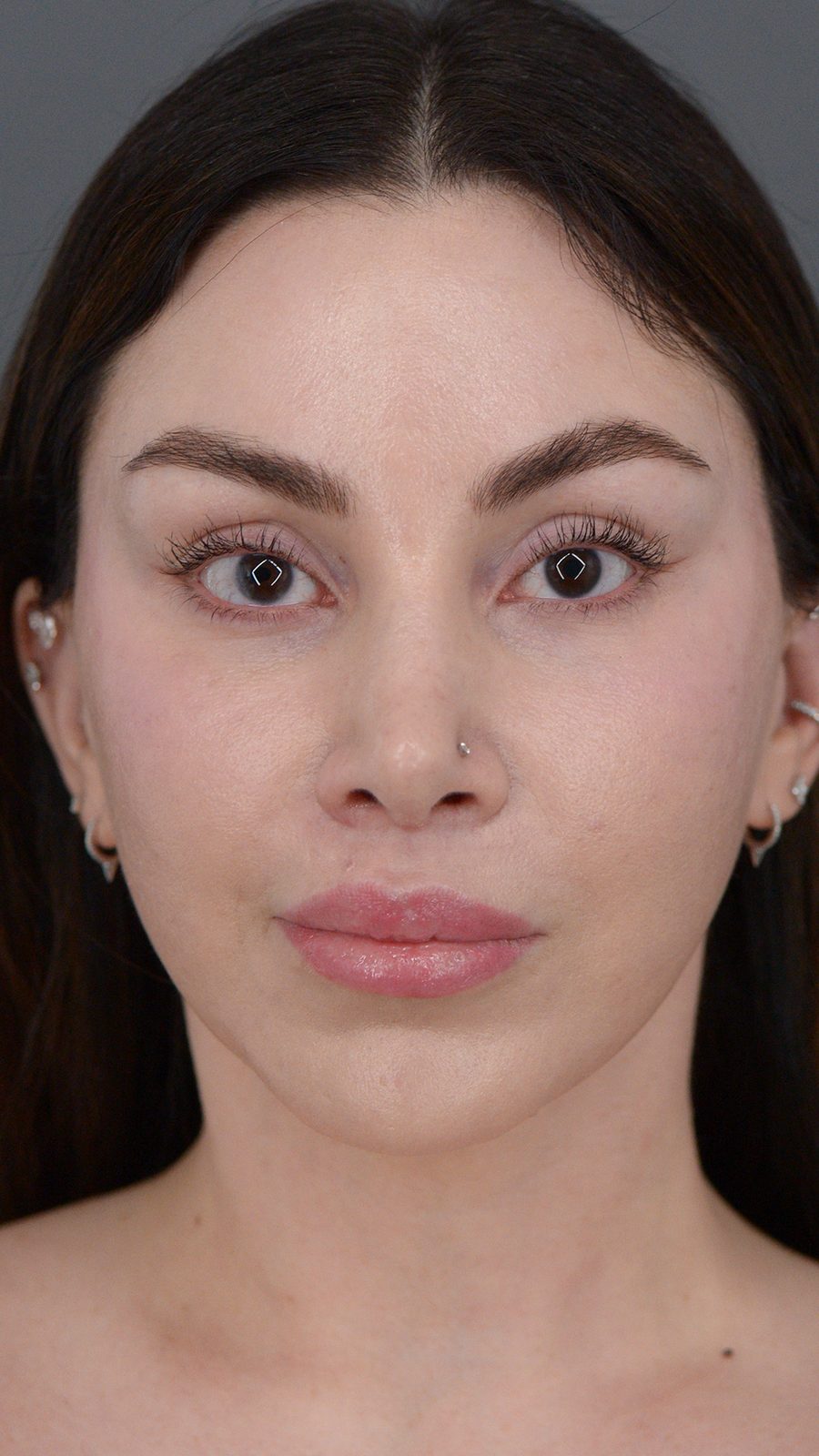
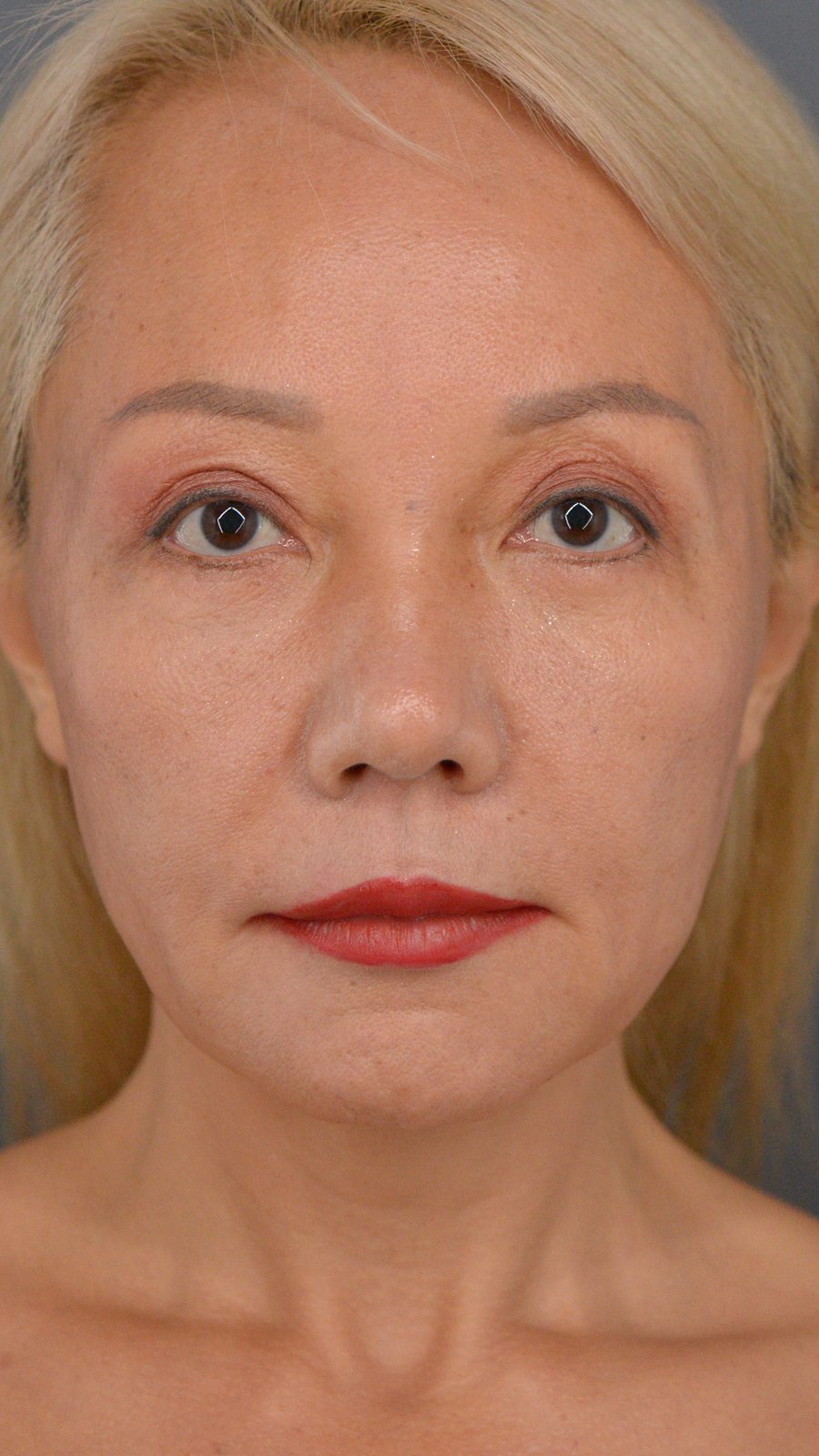
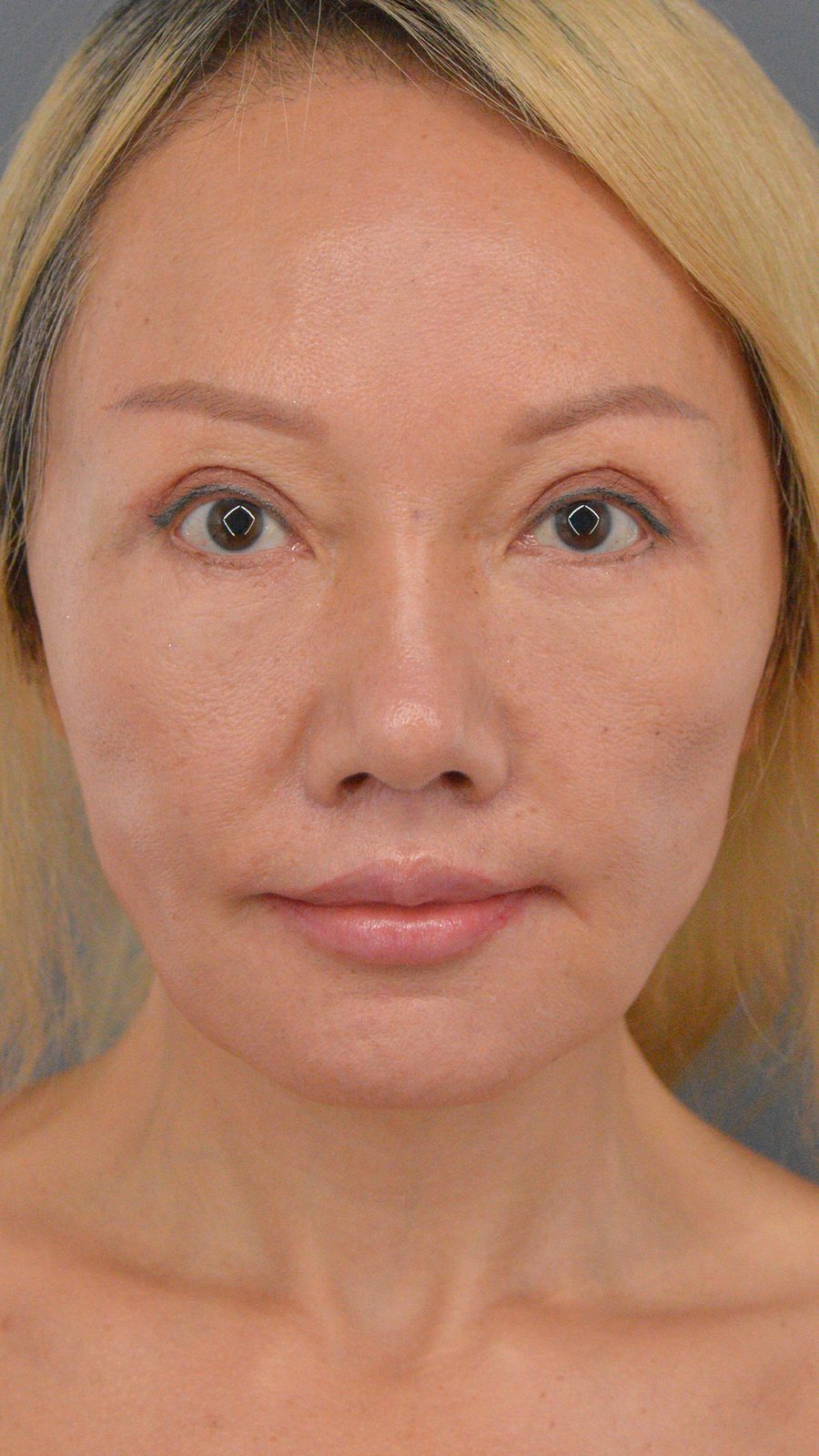
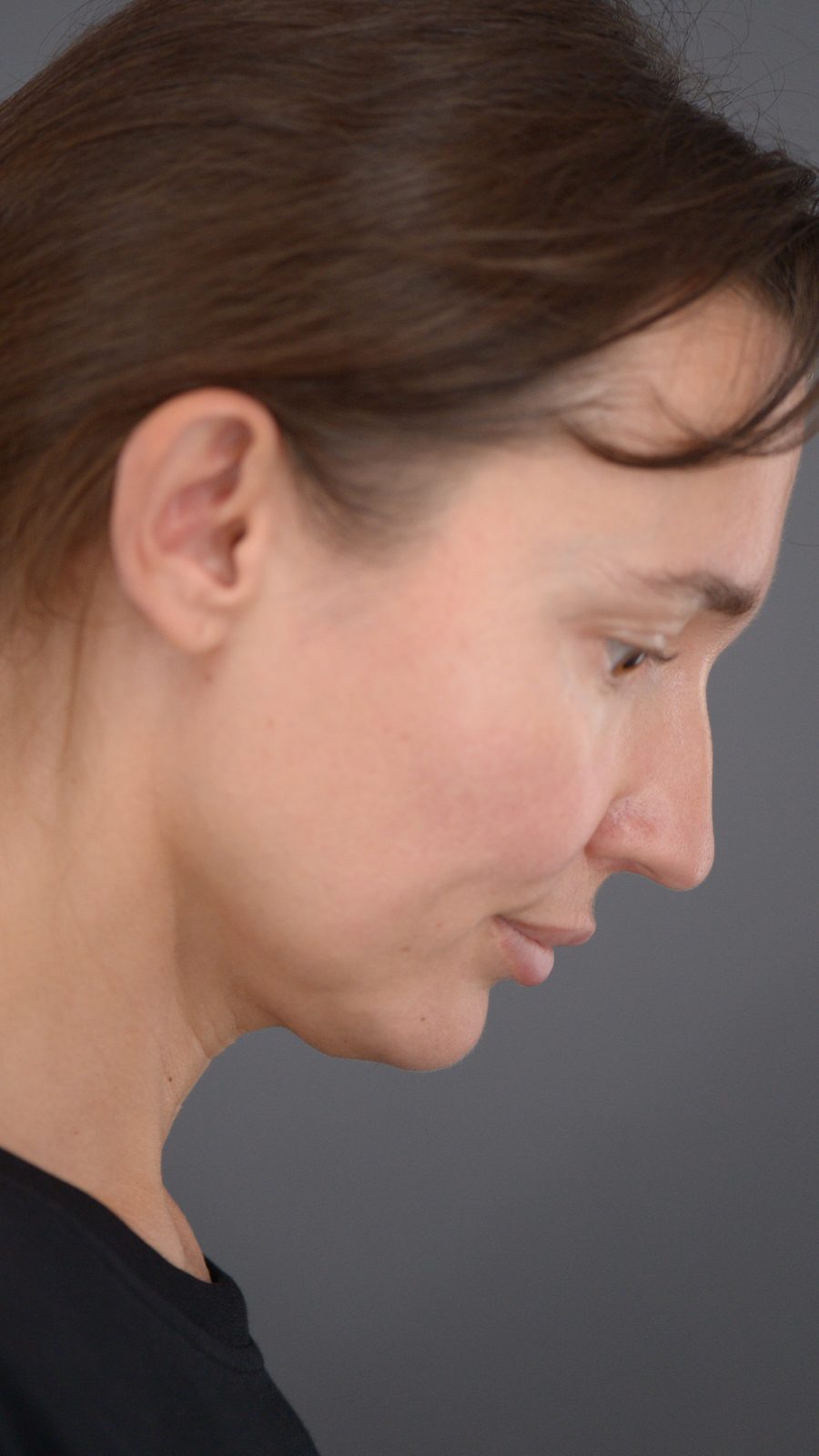
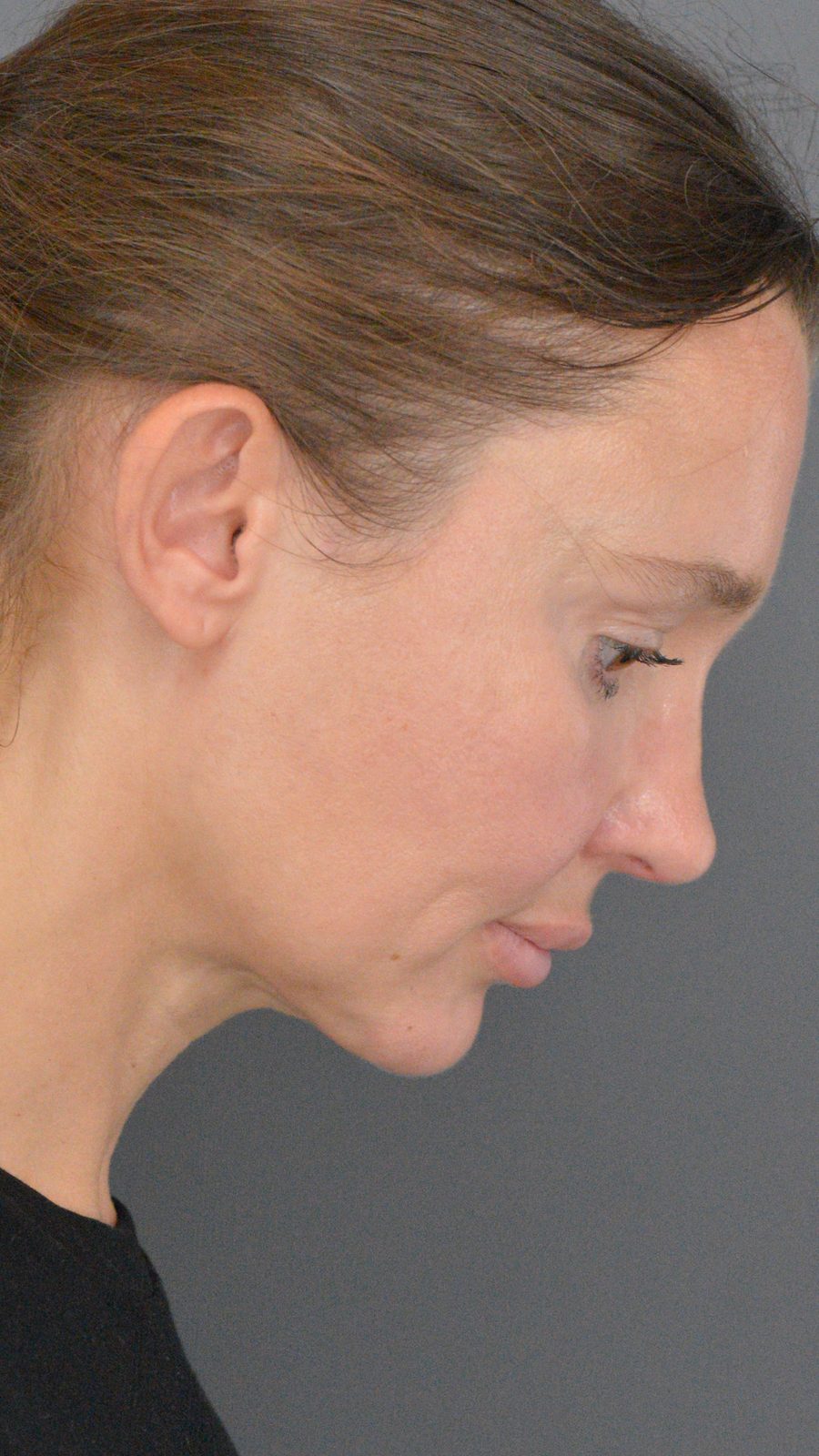
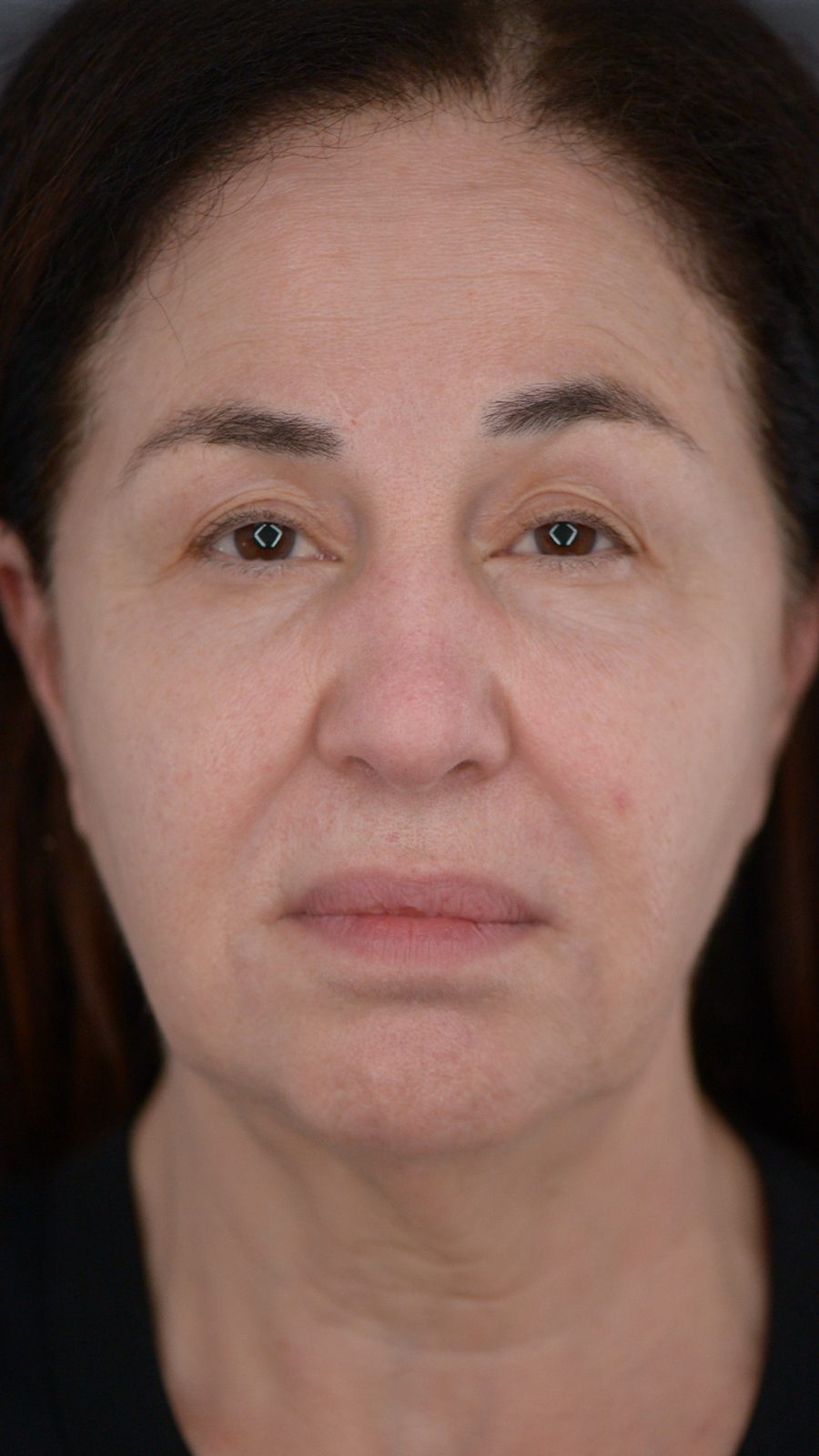
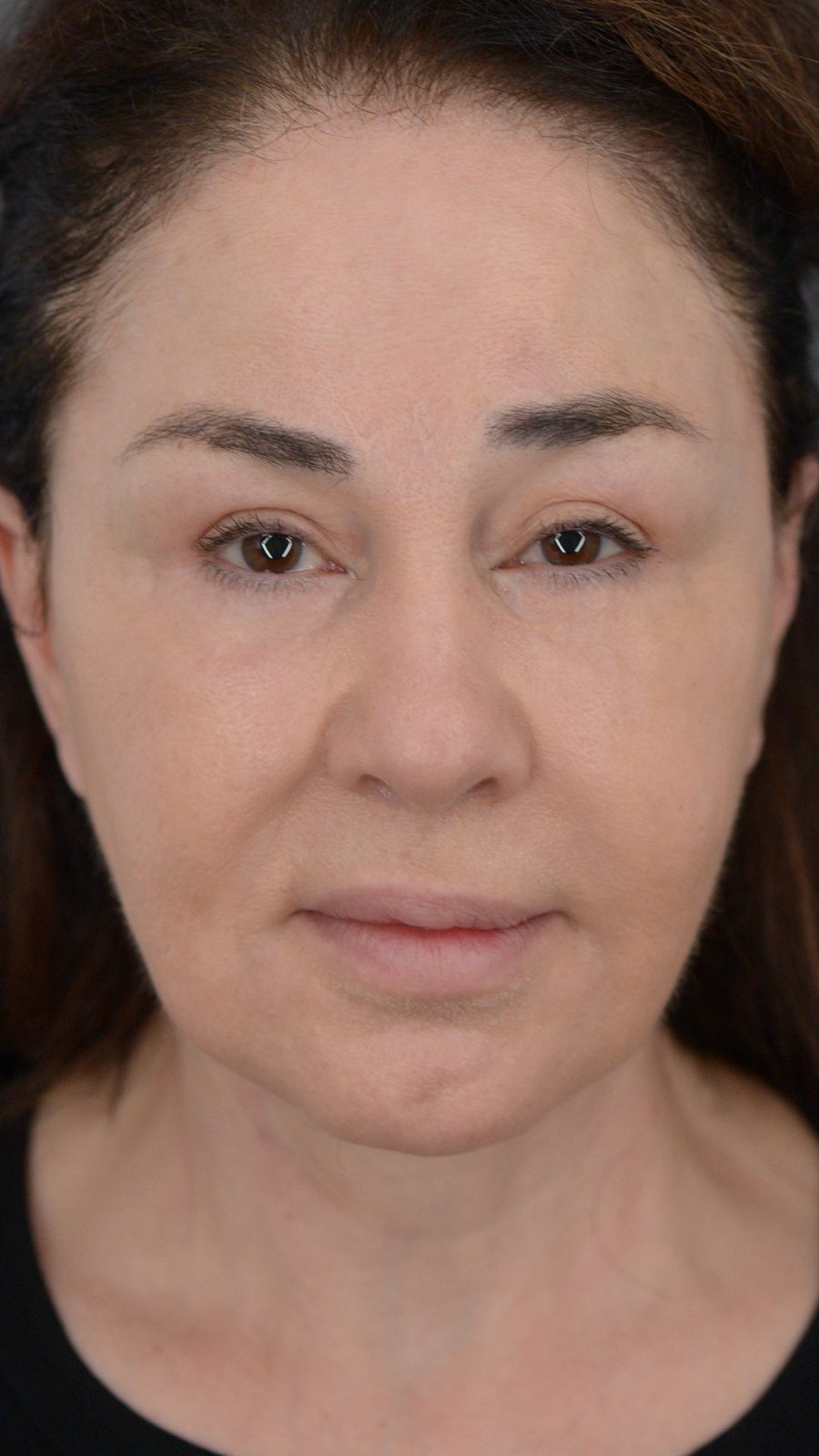
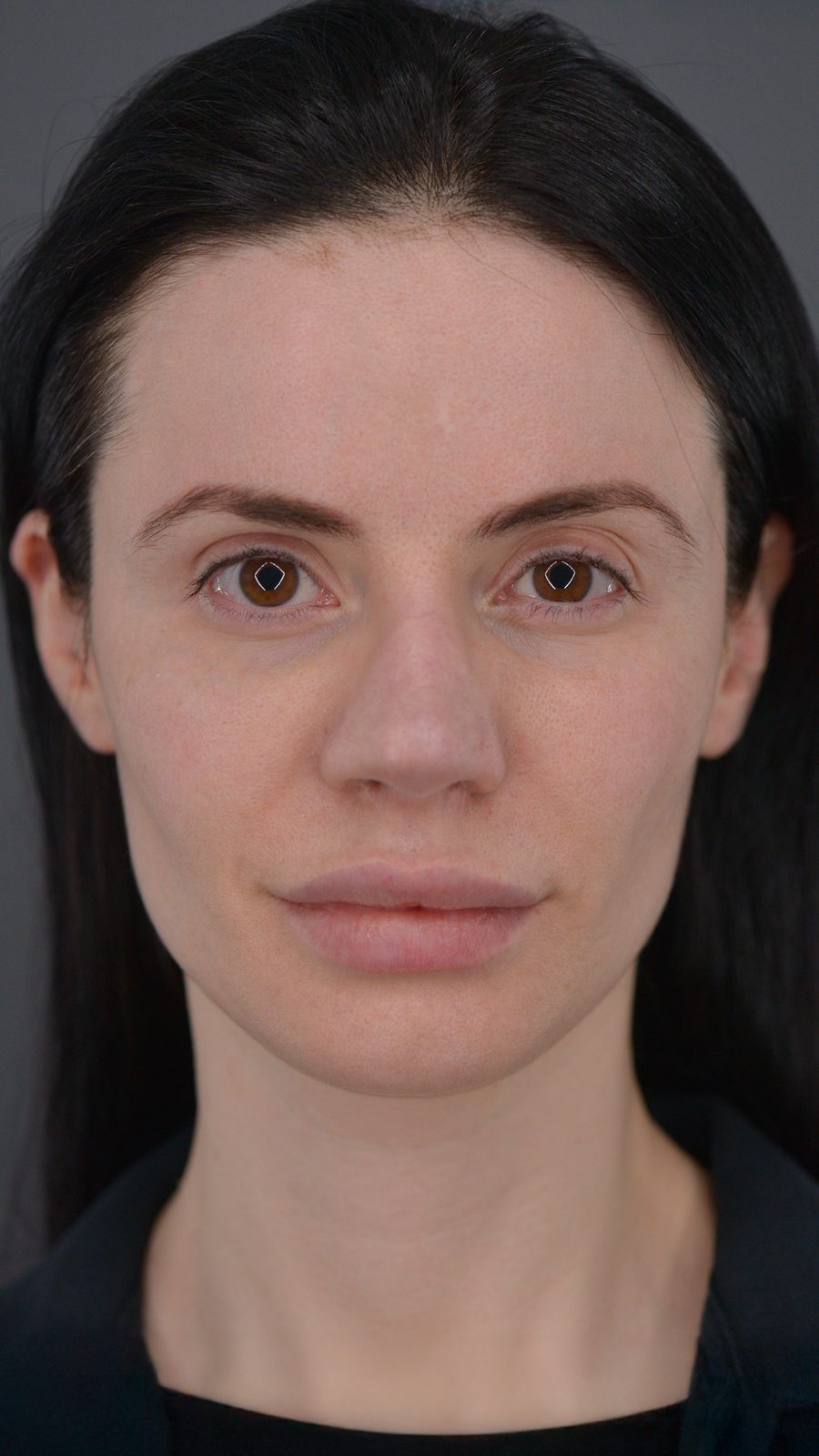
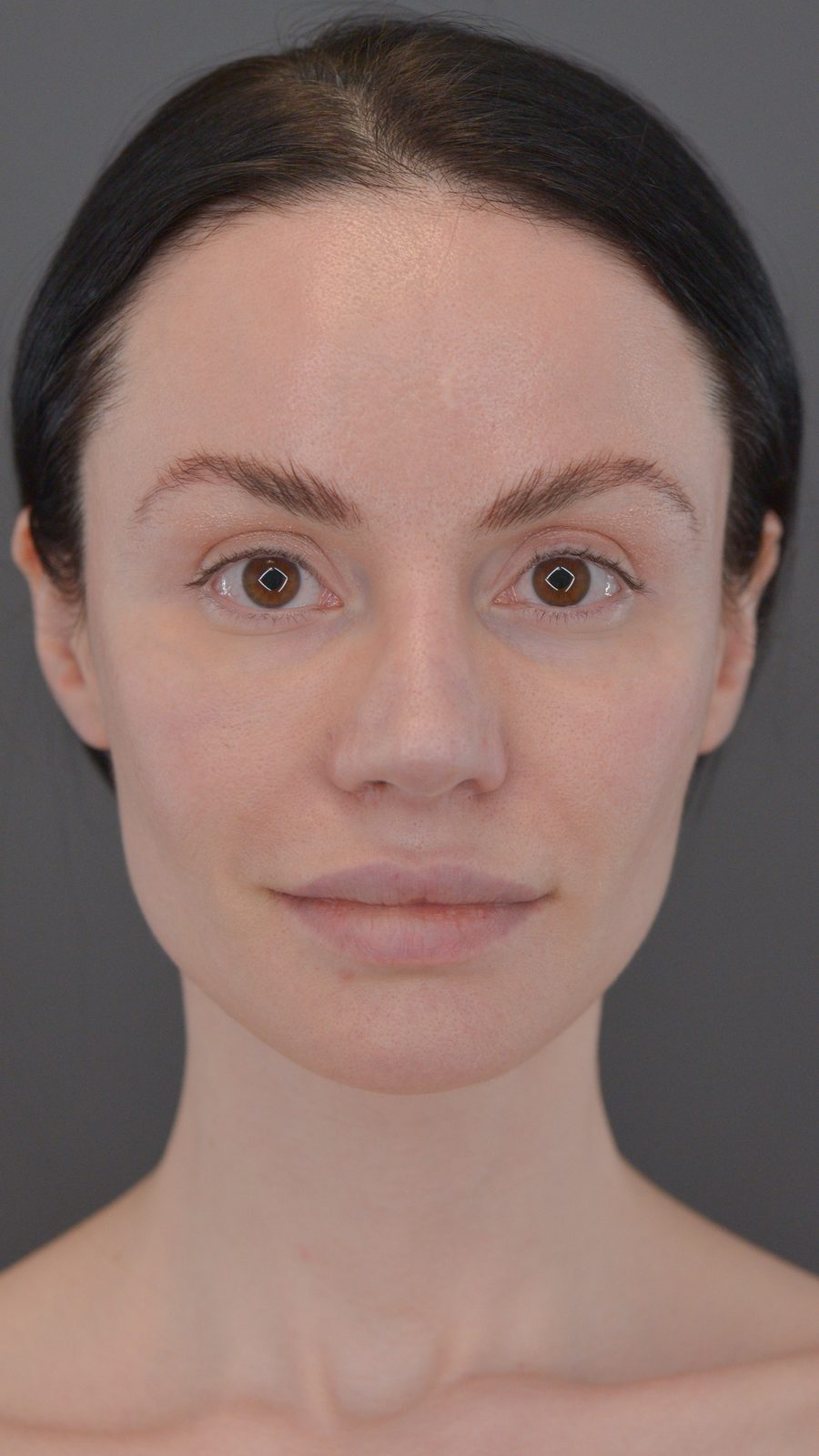
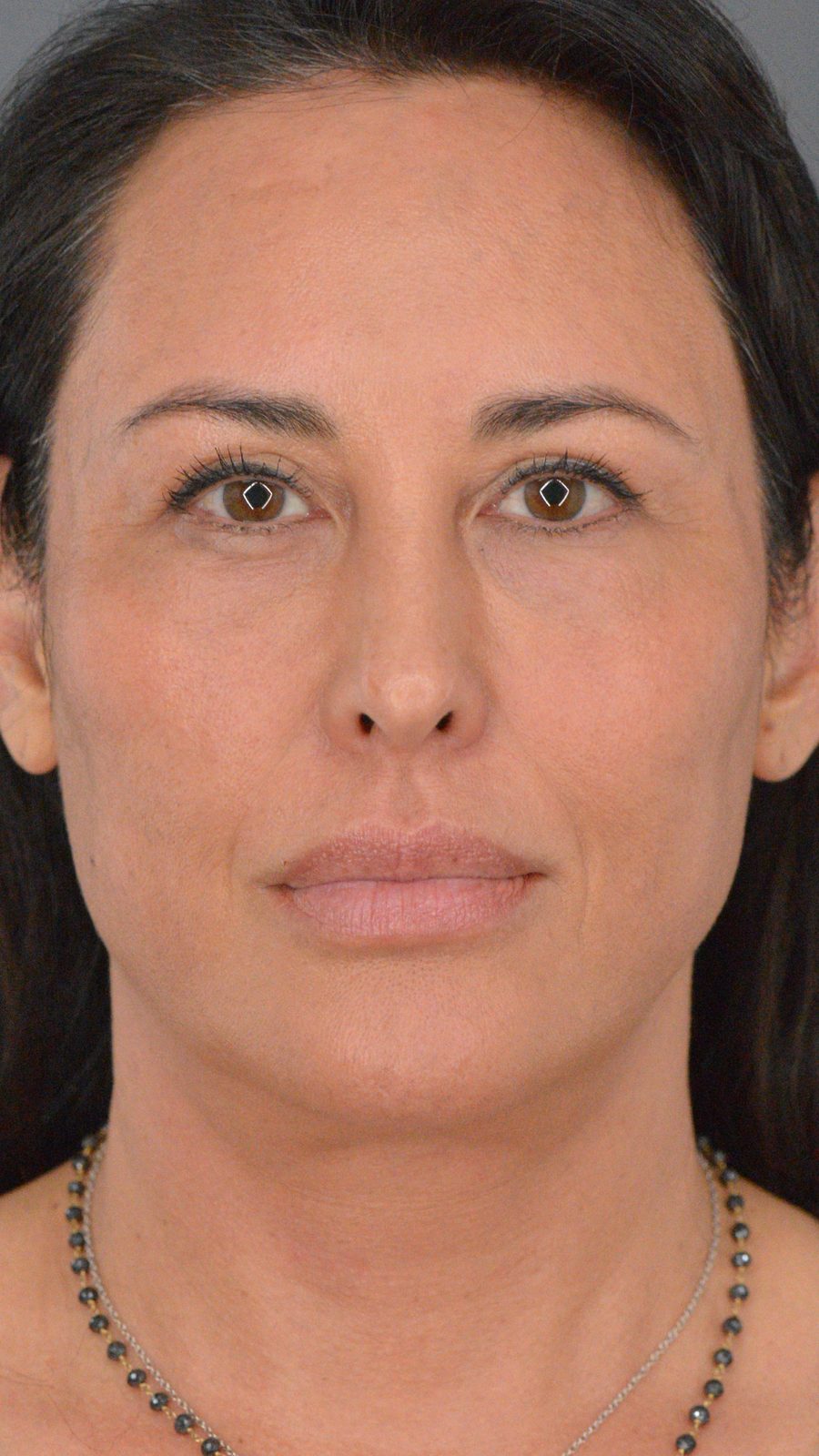
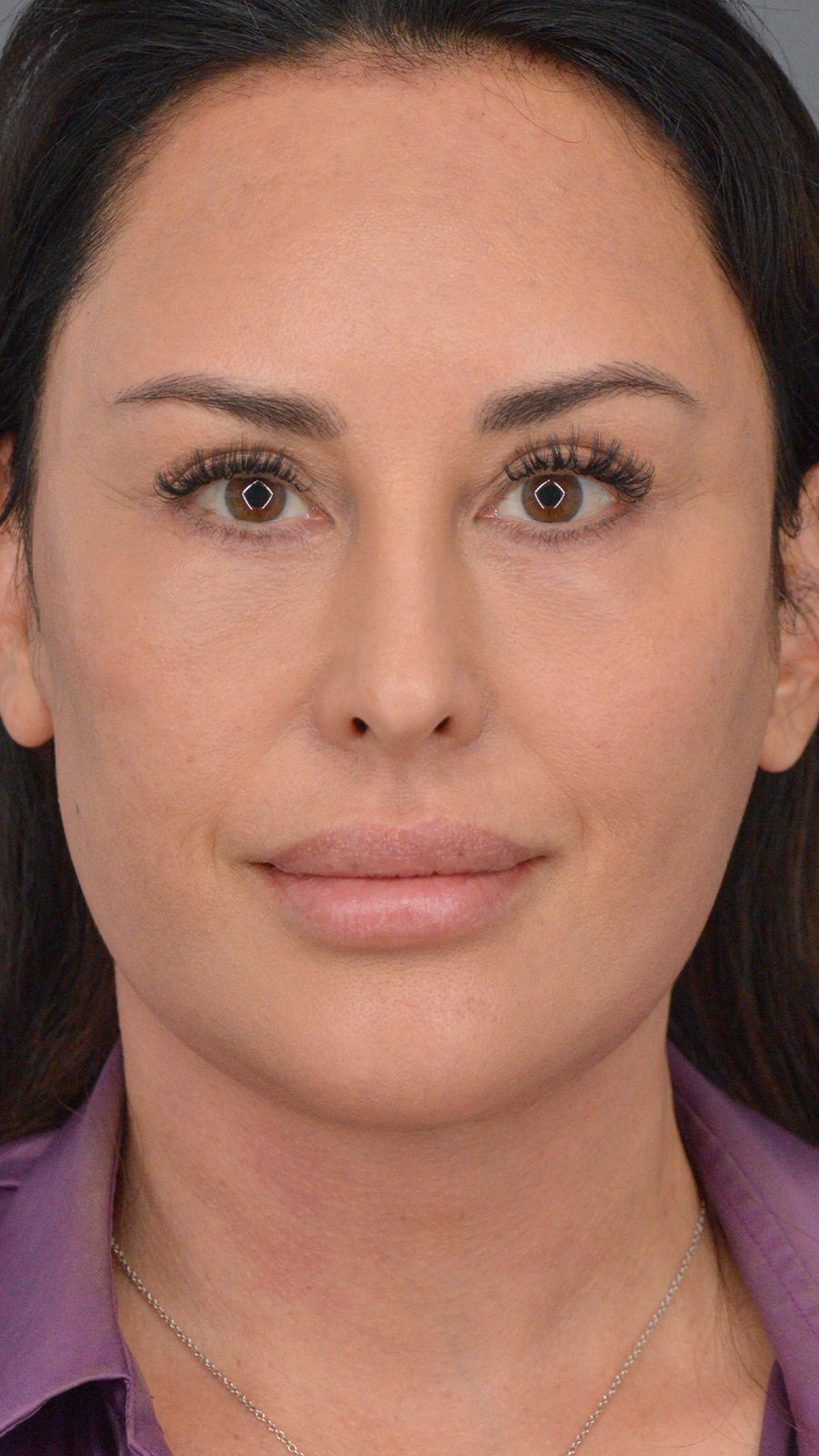
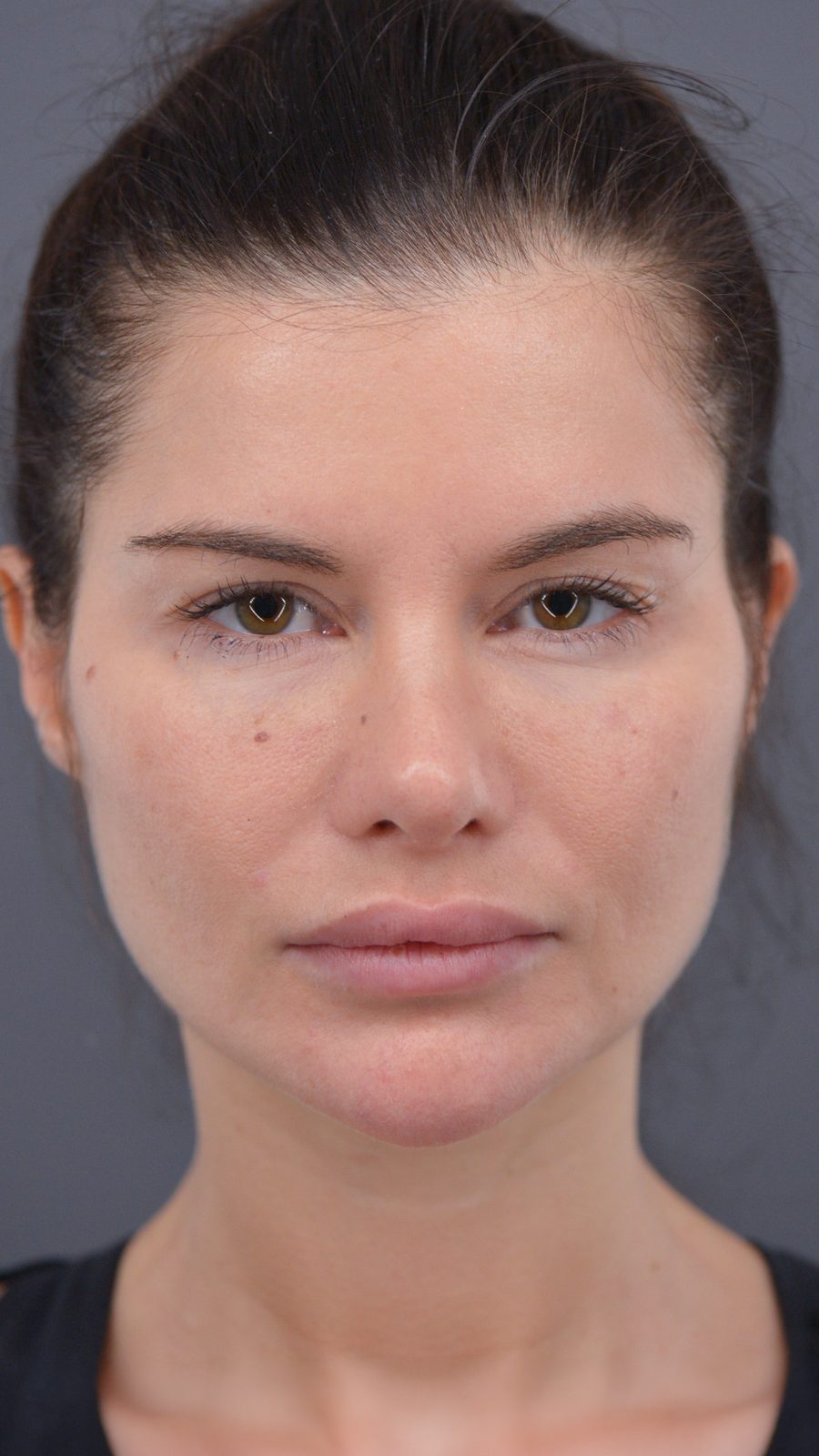
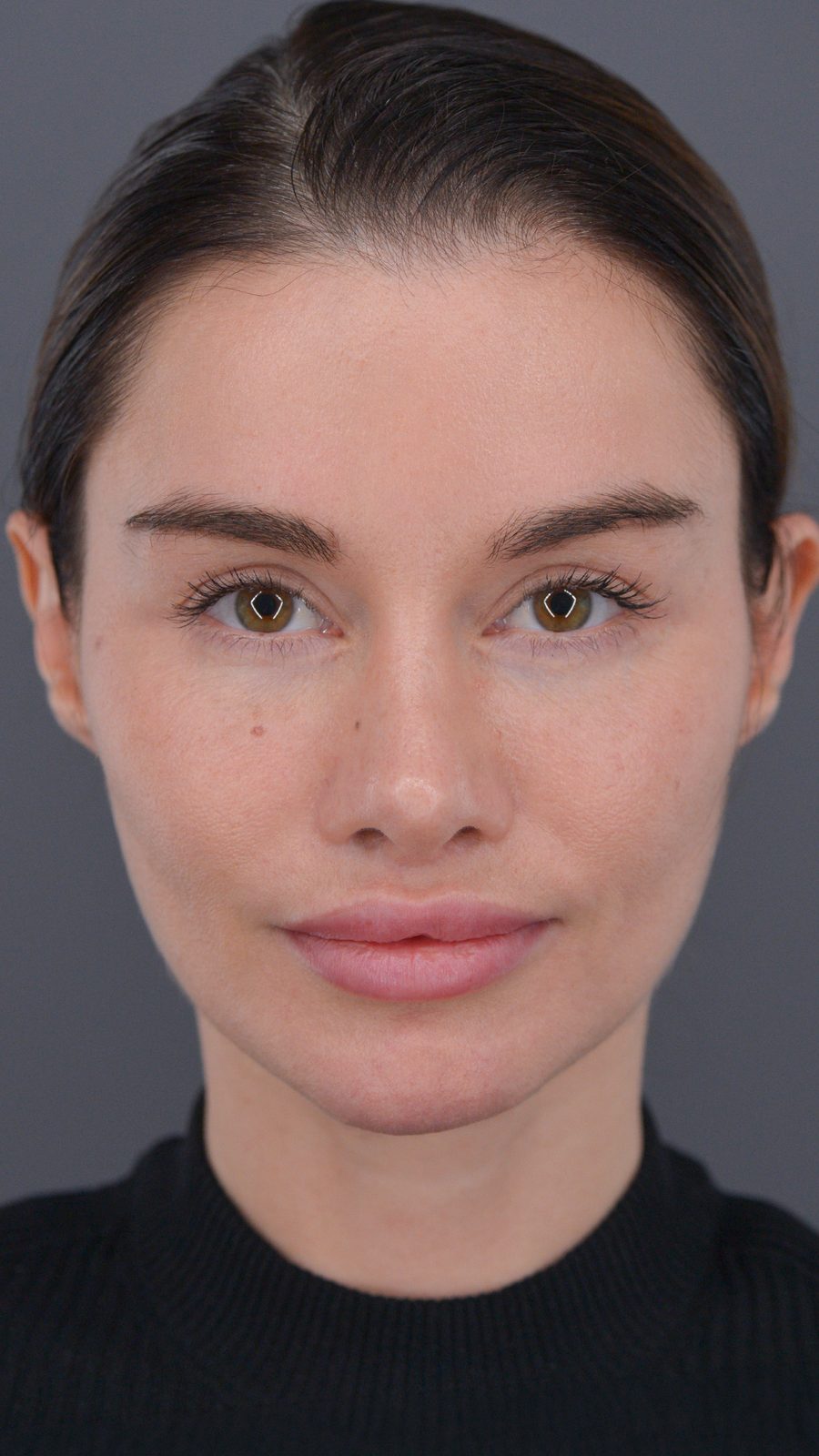
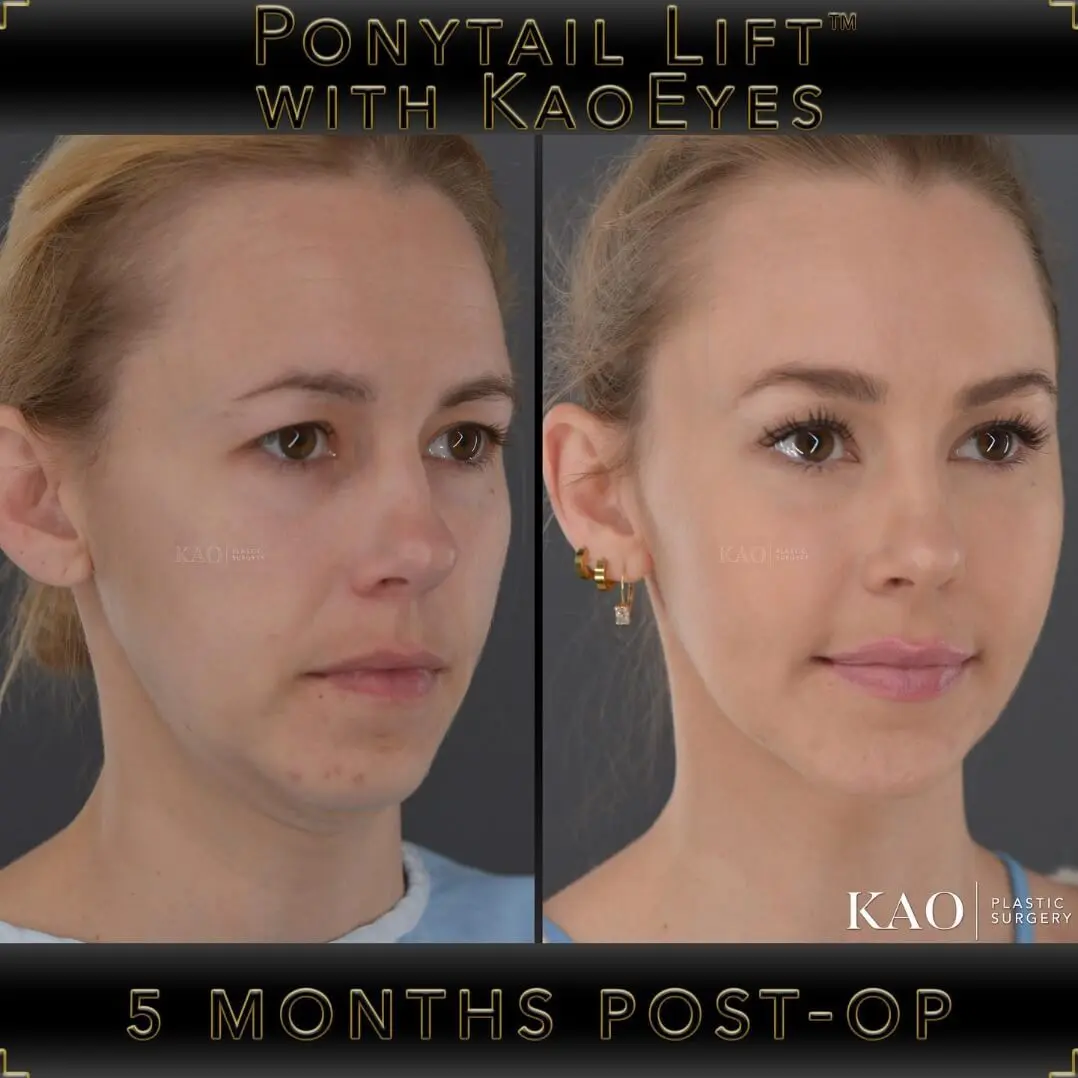
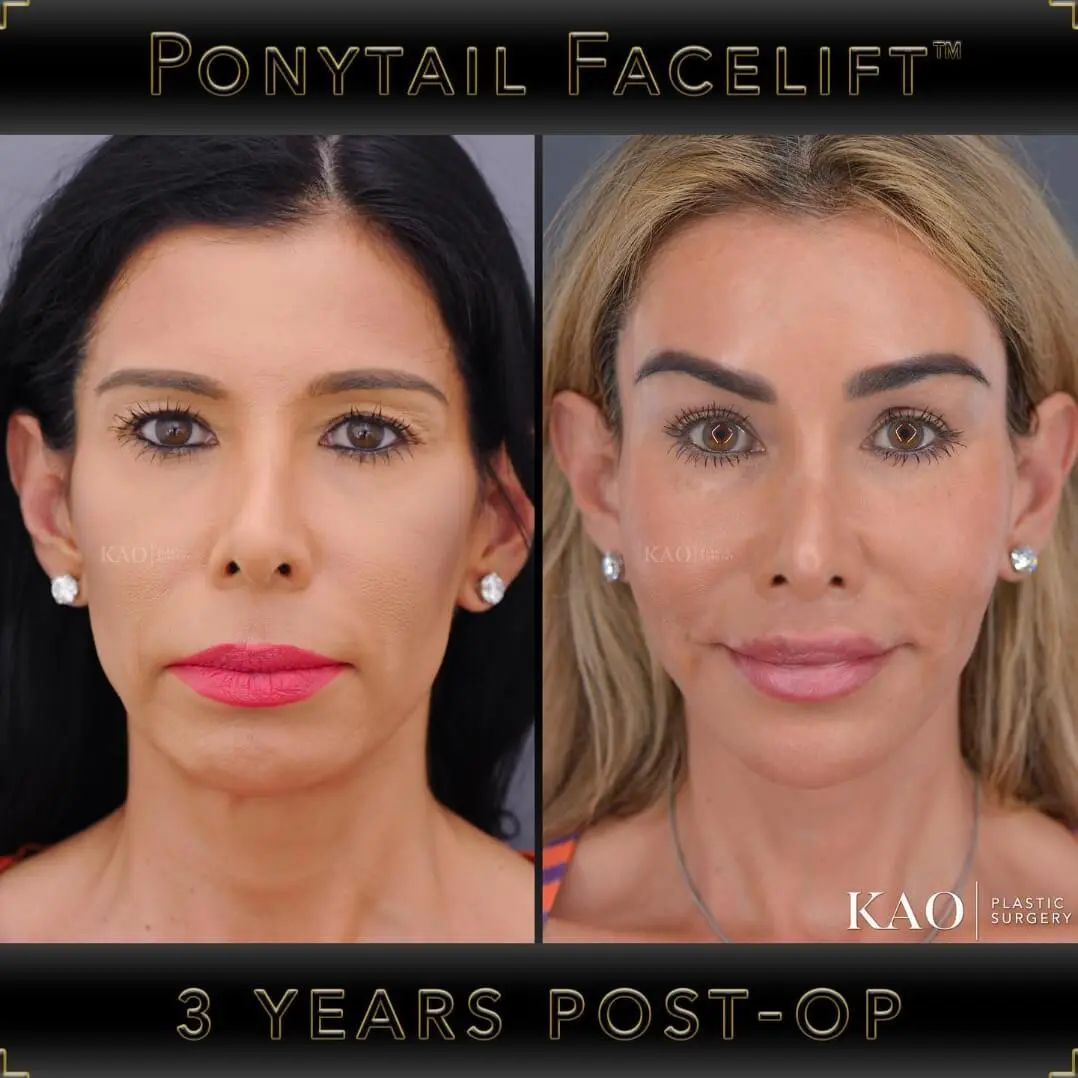
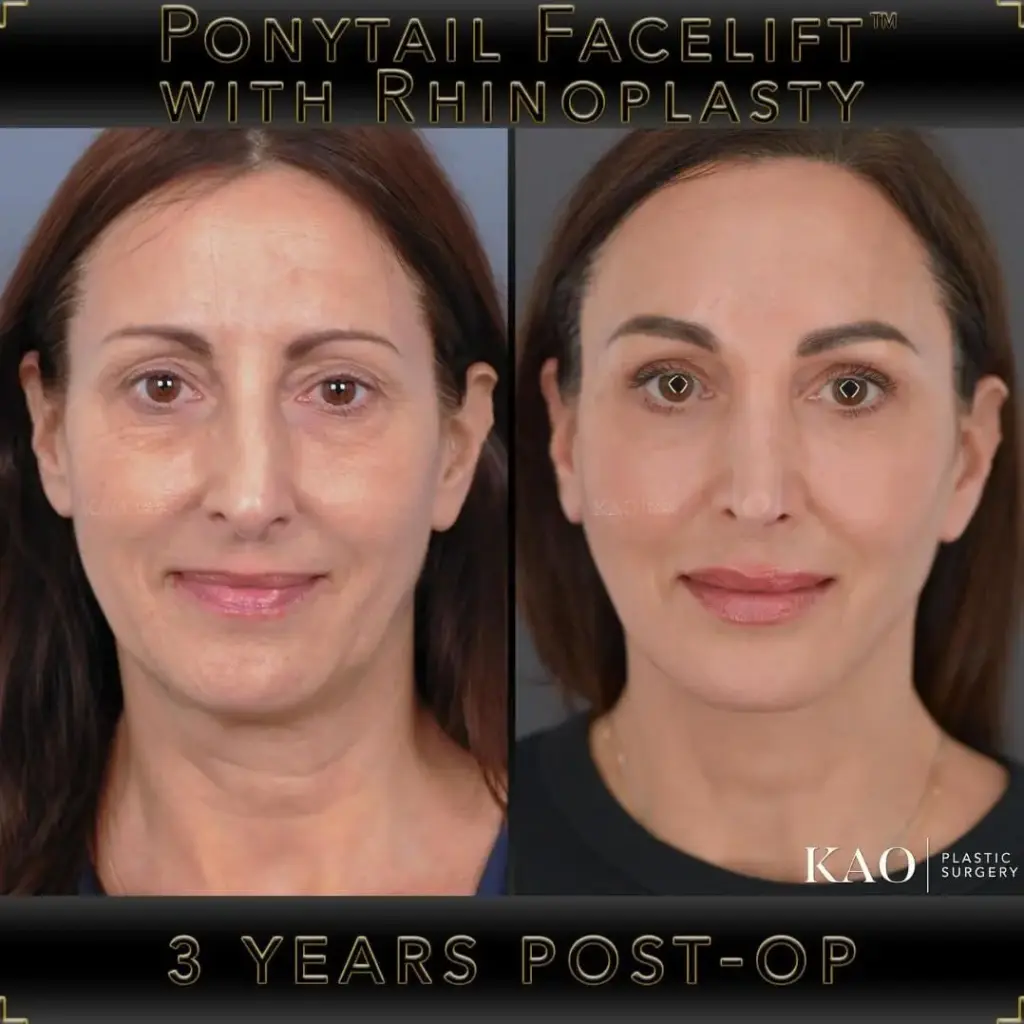
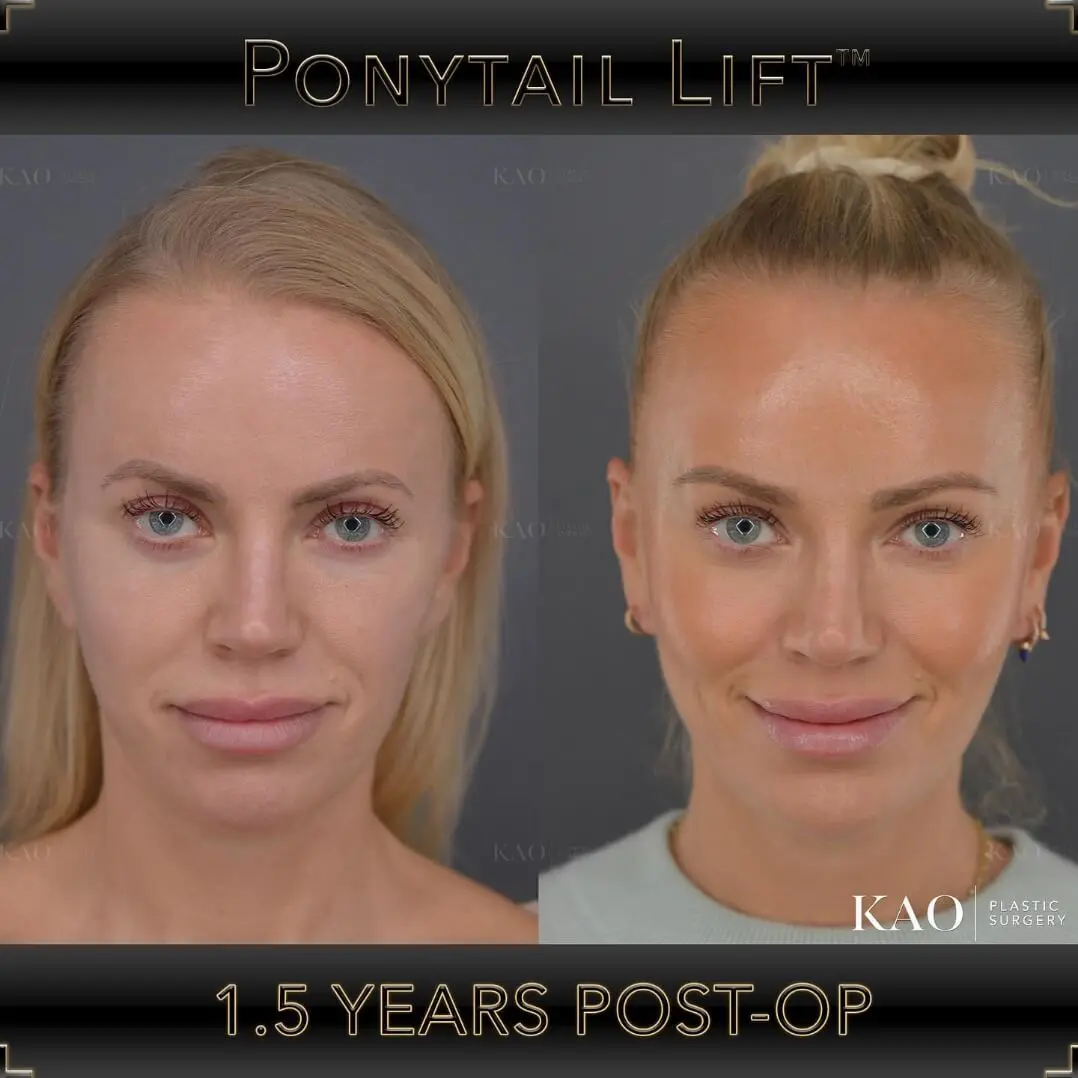
Ponytail Lift™ for facial beautification 3.5 years post-op. This is our international patient—look at her Ponytail Lift™ transformation in her brows, eyes, and cheeks that make her features more harmonious.
Ponytail Lift® vs. Ponytail Facelift™
Ponytail Lift®
Outer brow, temples, eyes, upper cheeks and lateral midface
Discreet scalp incisions
Appropriate when lower-face and neck laxity are limited
Designed for upper- and midface elevation
May be combined with volume restoration or eyelid procedures
Ponytail Facelift™
May treat upper face, midface, lower face, jowls, jawline and neck
Customized incision pattern
May include lower-face and neck lifting
Designed for comprehensive rejuvenation
May include complementary procedures
The Four Ponytail Procedure Types
Dr. Kao classifies Ponytail procedures into four categories based on the areas being treated, the degree of facial aging, and the amount of correction required.
Dr. Kao’s published work defines four staged procedure types, matched to a patient’s age and degree of facial aging:
Ponytail Lift™ I
Endoscopic lift of the brows, temples, eyes and cheeks, with incisions hidden in the scalp.
The Ponytail Lift™ I is designed for early descent of the upper face and midface, involving the brows, temples, eyes or cheeks. It is Dr. Kao's endoscopic approach to rejuvenating the outer brow, temples, eyes, upper cheeks and lateral midface through discreet incisions concealed within the scalp.
It repositions deeper facial tissues rather than relying only on skin tightening. Candidacy is determined by facial anatomy and aging pattern rather than by age alone, and the level is assigned by Dr. Kao after examination.
Ponytail Lift I (PTL-I)
Designed for patients with early upper- and midface descent involving the brows, temples, eyes, or cheeks. Incisions are concealed within the scalp. Candidacy is determined by facial anatomy and aging pattern rather than age alone.
Often suited to
Early descent of the brows, temples, eyes or cheeks
Tired-looking eyes
Limited lower-face and neck laxity
Technique
Endoscopic brow rotation and deep-plane cheek lifting
Incisions hidden in the scalp
Volume restoration with regenerative fat transfer and skin refinement as indicated
May be combined with an eyelid procedure
Recovery Swelling, tightness, bruising and temporary changes in sensation are common in the first days. Many patients resume light daily activities within about one to two weeks, though some swelling and bruising may remain. Swelling continues to resolve, and contours settle and refine over the following months.
Ponytail Lift™ II
Extends the lift to early jowling, without removing any neck skin.
The Ponytail Lift™ II is designed for early jowling with minimal neck-skin laxity. It builds on the Ponytail Lift™ I by adding endoscopic access to refine the lower face and jowls.
It may include deeper neck contouring when there is fullness beneath the chin. No neck skin is removed at this level.
Ponytail Lift II (PTL-II)
Designed for patients with early jowling and minimal neck-skin laxity. It expands the Ponytail Lift approach to refine the lower face and jowls and may include deeper neck contouring when fullness is present beneath the chin. No neck skin is removed.
Often suited to
Early jowling
Minimal neck-skin laxity
Possible fullness beneath the chin
Technique
Scalp incisions plus a small incision behind the ear
A small under-chin incision when needed
Endoscopic treatment of the lower face and jowls, with anterior neck contouring where appropriate
No neck skin removed
Recovery Recovery follows the same pattern as the Ponytail Lift™ I, with the extent of surgery setting social comfort, usually somewhere between two and four weeks. Swelling, bruising and tightness are expected, and contours refine over several months.
Ponytail Facelift™ I
Deep-plane lower-face and neck lift for jowls and mild to moderate neck-skin laxity, with limited skin removal.
The Ponytail Facelift™ I is designed for jowls with mild to moderate neck-skin laxity that requires limited skin removal. It expands the Ponytail Lift™ philosophy to the lower face, jawline and neck.
It may include deep-plane lower-face and neck lifting with neck contouring and structural support. The incision plan avoids routine incisions in the temporal hairline and directly in front of the ear.
Ponytail Facelift I (PTFL-I)
Designed for patients with jowls and mild-to-moderate neck-skin laxity that requires limited skin removal. It may include deep-plane lower-face and neck lifting with neck contouring while avoiding incisions in the temporal hairline and directly in front of the ear.
Often suited to
Jowls
Mild to moderate lower-face and neck-skin laxity
Excess skin that needs limited removal
Technique
Deep-plane lower-face and neck lifting with neck contouring
Extended incision behind the ear, without a routine incision in front of the tragus or through the temporal hairline
May include the limited-incision "Massai" neck lift
Recovery Swelling, bruising, tightness and temporary changes in sensation are common. Many patients resume light daily activities within about one to two weeks, and social comfort varies with the extent of surgery. Swelling continues to resolve, scars mature and contours refine over the following months.
Ponytail Facelift™ II
The most comprehensive level, for heavier jowling and greater neck-skin excess.
The Ponytail Facelift™ II is designed for heavier jowling, more significant neck-skin excess and reduced skin elasticity. It builds on the Ponytail Facelift™ I to address greater laxity of the face and neck.
It is planned to preserve the temporal hairline and the sideburn.
Ponytail Facelift II (PTFL-II)
Designed for patients with heavier jowling, more significant neck-skin excess, and reduced skin elasticity. It builds upon the PTFL-I approach to address greater facial and neck laxity while preserving the temporal hairline and sideburn area.
Often suited to
Heavier jowling
Significant neck-skin excess
Reduced skin elasticity
Technique
More comprehensive face-and-neck correction, with additional access for skin management
May add a limited incision in front of the ear while preserving the sideburn
No extension into the temporal hairline
Recovery Swelling, bruising and tightness are expected, and social comfort varies with the extent of surgery and with any lower-face, neck, eyelid or volume procedures combined with it. Scars mature and contours refine over several months.
Male Ponytail Lift™ and Facelift™
The same system, planned for male anatomy, hairlines and the wish to keep a masculine face.
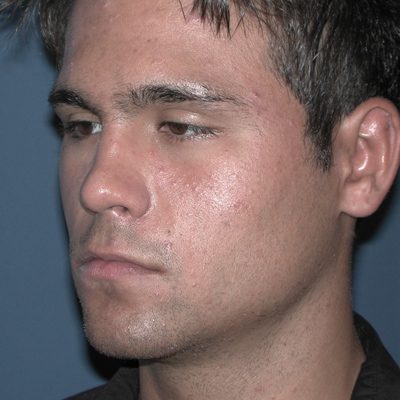
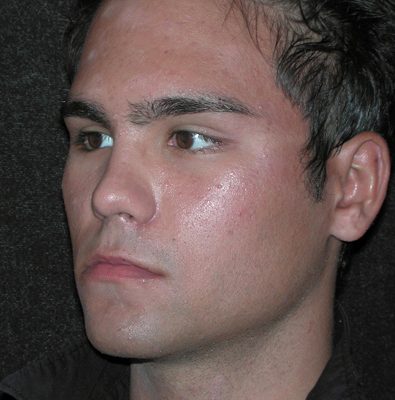
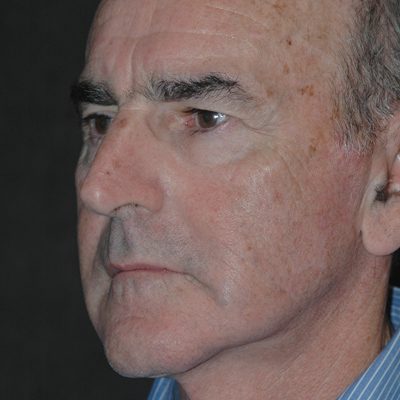
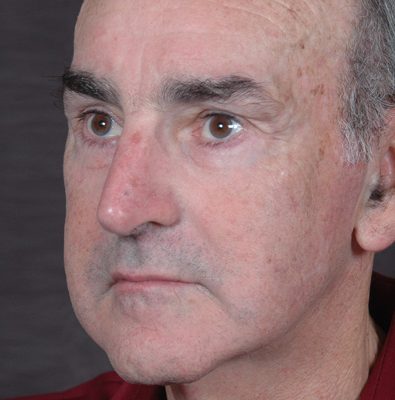
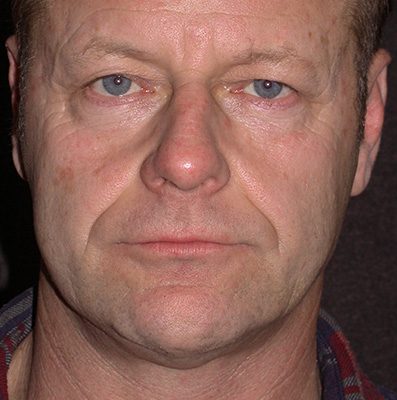
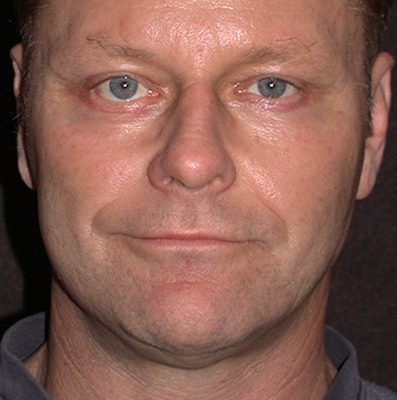
Men are treated within the same four-level framework. Male facial rejuvenation aims for structure, definition and balance, not softness. In Dr. Kao's published cases the goals include a defined jawline, cheekbone support and a natural relationship between the eyes and cheeks.
Planning depends on hair as well as anatomy. In a case of a completely bald patient there was no hairline or scalp hair to conceal incisions, so every incision was placed with extra precision and the surgical blueprint was customized around his anatomy. After major weight loss, the central face can lose volume and support, and the plan addresses structure rather than tightening skin alone.
Often suited to
Men with descent of the brows, cheeks, jawline or neck
Facial changes after major weight loss
Men with little or no hair to hide incisions
Technique
Level assigned by Dr. Kao after examination, as for every patient
Midface support, which may include tear trough implants
Incision placement planned around the patient's hairline
Aim of keeping masculine facial features
Recovery Recovery follows the level performed. Swelling settles gradually, and Dr. Kao has described facial contours continuing to sharpen over months and into the second year.
Limited-Incision "Massai" Neck Lift
A neck lift through a small under-chin incision, with no incision in front of or behind the tragus.
Dr. Kao designed the limited-incision "Massai" neck lift to improve loose neck skin, vertical bands, early jowling and jawline definition without the distortion and scarring he associates with traditional neck lifts. Those place incisions in front of or behind the tragus and pull tissue mostly horizontally.
For appropriate patients he avoids incisions in front of or behind the tragus and places a fine secondary incision under the chin. With the endoscope he works down to the clavicle and to the back of the neck, so the skin tightens in a continuous line from the chest to the jawline. The Ponytail Facelift™ includes this neck lift to address aging below the jawline.
Limited-Incision “Massai” Neck Lift
Improves neck definition through smaller, discreet incisions. Tightens the neck, improves visible neck bands, and creates a smoother chin-to-jawline transition.
Fine incision under the chin, with endoscopic dissection to the clavicle and posterior neck
Skin and fat separated from the neck muscle, and fat redistributed to even thickness
Anterior neck plication to tighten the muscles and treat bands
Posterior neck corset, which Dr. Kao developed in 2015, to reduce neck circumference
Deep contouring through the chin incision, including fat beneath the muscle and, if enlarged, the submandibular glands
Buried sutures, and drains for five days
Recovery Swelling, bruising, tightness and mild discomfort are expected, and keeping the head elevated for the first several days is typically recommended. Many patients return to work within seven to ten days, depending on the extent of surgery, and avoid strenuous exercise for several weeks. A complete anesthetic block of the chest wall at the end of surgery eases early discomfort for about eight hours. Patients may recover at the KO'AN Recovery Center.
Non-Excisional Eyelid Lift
Refreshes the upper eye area by shaping the brow rather than removing eyelid tissue.
Traditional brow and eyelid surgery removes skin, muscle and fat, which Dr. Kao notes can leave the eye socket hollow and lower the brow. His non-excisional approach lifts and sculpts the brows instead of removing tissue.
Rather than lifting the brows straight up, he performs a brow rotation with sutures and supports the brows with regenerative cells. Heavy upper eyelids are corrected by lifting the skin over the eyelid cartilage with the brow. Frowning muscles are released and weakened, and gentle passes of CO₂ laser treat fine lines and crepey skin around the eyes. It is often combined with the Ponytail Lift™.
Non-excisional Eyelid Lift
Refreshes the upper eye area without traditional eyelid skin excision. Dr. Kao may use advanced suturing, regenerative fat techniques, and laser-based skin tightening to improve brow position, upper eyelid heaviness, and fine lines around the eyes.
Learn About the Non-Excisional Eyelid Lift
Often suited to
Horizontal forehead lines and vertical lines between the brows
Sagging brows
Heavy, drooping upper eyelids
Technique
Brow rotation using sutures
Regenerative cells to support the brows
Skin lifted and redraped over the eyelid cartilage
Release of the frowning muscles
CO₂ laser for fine lines and crepey skin around the eyes
Recovery Mild swelling is expected, and most patients are fully recovered within 10 to 14 days. Patients may recover at the KO'AN Recovery Center, across the street from the surgical facility.
KaOgee Endoscopic Jowl Lift
An endoscopic jowl lift that repositions deeper tissues upward to define the jawline.
KaOgee is Dr. Kao's endoscopic jowl lift. It improves jawline definition and reduces the look of jowls by repositioning deeper facial tissues upward, giving a cleaner transition between the lower face, jawline and neck.
The Ponytail Facelift™ includes an endoscopic jowl lift together with the limited-incision "Massai" neck lift.
KaOgee (Endoscopic Jowl Lift)
Improves jawline definition and reduces the appearance of jowls by repositioning deeper facial tissues upward, creating a cleaner transition between the lower face, jawline, and neck.
Learn About KaoGee
Often suited to
Jowls
Reduced jawline definition
Technique
Endoscopic repositioning of deeper facial tissues upward
Performed with the limited-incision "Massai" neck lift as part of the Ponytail Facelift™
Recovery Dr. Kao reviews the recovery timeline for the combined plan at consultation.
Procedures Often Combined With the Ponytail Facelift™
Facial Detailing / Bio-Grooming With Regenerative Cells
Refines facial shape, improves soft-tissue balance, and enhances skin quality using carefully prepared regenerative fat cells.
Learn About Facial Detailing
Ponytail Lift® and Ponytail Facelift™ Recovery
First Several Days
Swelling, tightness, bruising and temporary changes in sensation are common. Patients should rest, follow incision-care instructions and avoid unnecessary activity.
Approximately One to Two Weeks
Many patients resume light daily activities, although visible swelling and bruising may remain.
Approximately Two to Four Weeks
Social comfort varies according to the extent of surgery and whether lower-face, neck, eyelid or volume-restoration procedures were included.
Following Months
Swelling continues to resolve, scars mature and facial contours gradually soften and refine.
What Affects the Cost of a Ponytail Lift® or Ponytail Facelift™?
Extent of the procedure
Facial and neck regions treated
Complementary procedures
Complexity of anatomy and prior surgery
Anesthesia and facility fees
Postoperative care requirements
Because the Ponytail Lift® and Ponytail Facelift™ are customized procedures, an accurate quote can only be provided after Dr. Kao evaluates the patient’s anatomy and recommends the appropriate treatment plan.
Are You a Candidate for the Ponytail Lift® or Ponytail Facelift™
You May Be a Candidate If:
You have visible descent involving the brow, temples, cheeks, lower face, jawline or neck
Your concerns are structural rather than limited only to skin texture
Non-surgical treatments no longer provide the improvement you want
You are in appropriate health for surgery
You do not smoke or can stop nicotine as directed\
Your weight is reasonably stable
You understand the scars, recovery, risks and limitations
You are seeking improvement rather than perfection
Another Treatment May Be More Appropriate If:
Your concerns are limited mainly to fine lines, pigmentation or mild volume loss
You have minimal tissue descent
Your weight is changing significantly
Your medical conditions are not well controlled
Your expectations are based on a trend or another person’s appearance
Risks and Important Considerations
All surgery carries risk. Potential considerations may include bleeding, hematoma, infection, swelling, bruising, temporary or persistent numbness, scarring, asymmetry, hair changes near incisions, contour irregularity, nerve-related complications, anesthesia risks and the possibility of additional treatment or revision.
Dr. Kao will review the risks most relevant to the patient’s health, anatomy and surgical plan during consultation.
About Dr. Chia Chi Kao
Dr. Chia Chi Kao is a board-certified aesthetic plastic surgeon and the developer of the Ponytail Lift® technique. His peer-reviewed work describing 22 years of experience across 600 cases was published in Aesthetic Surgery Journal in 2024.
Dr. Kao performs facial rejuvenation procedures at Kao Plastic Surgery in Santa Monica and evaluates each patient according to facial anatomy, aging pattern, goals and the degree of correction required.
Dr. Chia Chi Kao is the creator of the Ponytail Lift® and Ponytail Facelift™ techniques and has performed and refined endoscopic facial rejuvenation procedures for more than two decades. His peer-reviewed study documenting 600 Ponytail Lift cases was published in Aesthetic Surgery Journal in 2024 .
At Kao Plastic Surgery in Santa Monica, each procedure is customized according to the patient’s facial anatomy, hairline, tissue quality, aging pattern, and desired degree of transformation. Patients travel from throughout Los Angeles, across the United States, and internationally to consult with Dr. Kao about his specialized approach to facial rejuvenation.
Some patients want a subtle refresh that restores brightness, lift, and natural facial balance. Others are seeking a more transformative improvement in facial shape, cheek position, jawline definition, and neck contour. The Ponytail Lift™ and Ponytail Facelift™ techniques allow Dr. Kao to customize the degree of rejuvenation while avoiding the overly tight or pulled appearance associated with some traditional facelift approaches.
At Kao Plastic Surgery in Santa Monica, Dr. Chia Chi Kao evaluates each patient’s facial anatomy, aging pattern, skin quality, hairline, brow position, jawline, neck, and aesthetic goals before recommending the most appropriate treatment plan. For patients considering a Ponytail Facelift™ in Los Angeles, the goal is a result that appears refreshed, balanced, and natural from every angle.
Refresh
Your beauty within…
Ponytail Lift™ Technique
Focuses primarily on the upper and midface, including the brows, eyes, cheeks, and surrounding facial contours
Creates a brighter, more lifted, and refreshed appearance without an overly tight or pulled look
Uses small, discreet incisions placed within the scalp and behind the hairline
Repositions deeper facial tissues rather than relying only on skin tightening
May be combined with regenerative fat transfer when appropriate to restore soft, natural-looking facial volume
Is the Ponytail Facelift™ a real procedure or just a marketing term?
It began as a patient-friendly name, but it is a defined surgical technique developed by Dr. Chia Chi Kao, who documented it in a peer-reviewed study of 600 cases over 22 years published in Aesthetic Surgery Journal (2024). It is a deep-plane facial rejuvenation method with incisions hidden in the temple, behind the ear, and the scalp — not a generic label.
Is the Ponytail Facelift™ safe?
In Dr. Kao’s published series of 600 consecutive cases, there were no instances of skin-flap necrosis and no permanent nerve injuries. As with any surgery there are risks, which Dr. Kao reviews thoroughly during consultation.
How long do Ponytail Facelift™ results last?
Results are long-lasting because the technique repositions deeper facial tissues rather than only tightening skin. Longevity varies with age, skin quality, and lifestyle; Dr. Kao reviews realistic expectations during consultation.
How is the Ponytail Facelift™ different from a traditional facelift?
A traditional facelift often relies on backward skin tension, which can create a pulled look. The Ponytail Facelift™ lifts tissues vertically through discreet, hairline-hidden incisions, aiming for natural harmony across the brows, cheeks, jawline, and neck.
Is there visible scarring?
For appropriate candidates, incisions are placed within or around the hairline and natural contours to minimize visible scarring and preserve a natural-looking hairline.
What is recovery like?
Most patients manage light daily activities within one to two weeks. Swelling and bruising resolve gradually, and final refinement continues over several months. Exact timelines depend on the extent of treatment.
Am I a good candidate for the Ponytail Facelift™?
Candidacy depends on facial anatomy, aging pattern, skin quality, hairline, and goals. Some patients are better suited to a Ponytail Lift™, neck lift, or other approach — Dr. Kao determines the best fit at consultation.
How much does a Ponytail Facelift™ cost in Los Angeles?
Cost varies with the extent of the procedure and any combined techniques. Dr. Kao provides a personalized quote at consultation. Call (310) 315-9211 for details.
What are the potential risks?
As with any facial surgery, potential risks may include bleeding, infection, delayed healing, scarring, temporary or persistent numbness, hair loss near an incision, facial asymmetry, nerve injury, fluid accumulation, anesthesia-related complications, or the need for revision surgery. Dr. Kao discusses the risks, expected benefits, and alternatives during the consultation process.
Is the Ponytail Lift™ a thread lift?
No. It is a surgical, endoscopic technique that releases, repositions and secures deeper facial tissues. A thread lift places temporary or absorbable threads beneath the skin and is a different operation.
What is the difference between a Ponytail Lift™ and a Ponytail Facelift™?
The Ponytail Lift™ generally focuses on the upper face and midface and may address early lower-face changes, with incisions that can stay in the scalp. The Ponytail Facelift™ is used when the lower face and neck need more comprehensive treatment, including management of excess skin. The names describe how much of the face must be treated, not a lesser or greater operation.
Which of the four levels is right for me?
The level is a clinical category that Dr. Kao assigns after examining skin elasticity, tissue thickness, hairline, facial movement, volume distribution, jowling, neck anatomy and any previous surgery. It cannot be chosen from a photograph or from age alone.
Will there be scars?
Yes. Every surgical incision leaves a scar. The technique uses discreet, strategically placed incisions, many hidden in the scalp, behind the ear or within natural contours. Their number and location depend on your anatomy and the level of surgery.
Is there an age that is too young or too old?
There is no single correct age. The published series included patients from 17 to 82 years old, with the procedure type chosen by anatomy and the extent of treatment required. Health, goals and realistic expectations matter as much as age.
How long do results last?
Repositioning deeper tissues can create long-lasting structural improvement, but no facelift stops aging. Longevity varies with the operation performed, anatomy, skin quality, genetics, lifestyle, weight change and sun exposure.
What are the risks?
All surgery carries risk. Considerations include bleeding, hematoma, infection, swelling, bruising, temporary or persistent numbness, scarring, asymmetry, hair changes near incisions, contour irregularity, nerve-related complications, anesthesia risks and the possibility of additional treatment or revision. Dr. Kao reviews the risks that apply to your health, anatomy and plan at consultation.
What does it cost?
The cost depends on the extent of the procedure, the regions treated, any complementary procedures, the complexity of the anatomy, anesthesia and facility fees and postoperative care. An accurate quote is possible only after Dr. Kao examines you and recommends a plan.
Fill out the contact form to schedule a consultation with Dr. Kao, or contact Kao Plastic Surgery at (310) 315-9211. If you’re unsure which procedure you need, Dr. Kao will help you decide based on your goals.


 kaoplasticsurgery